
Voters approval of the project is the first step to more discussions and planning in the coming months. One leader wants to ensure the public is involved early.
SAN ANTONIO — A cohort of San Antonio City Council members are using newly filed policy proposals to push for transparency surrounding the downtown sports and entertainment district—specifically when it comes to eventual construction of a new Spurs arena and the team’s $75 million community commitment.
Council members Sukh Kaur (District 1), Teri Castillo (District 5) and Marc Whyte (District 10) are behind two council consideration requests (CCRs) that were filed Thursday—about five weeks after Bexar County voters approved a funding framework for the arena.
That approval from the community shifted the Spurs’ dream of returning downtown to another gear while helping provide direction for City Council, which passed a term sheet with the team in August in a split vote.
Kaur and Whyte were on the “aye” side. Castillo and three others, including Mayor Gina Ortiz Jones, voted against it.
Now, for Castillo, it’s about looking ahead. She partnered with Whyte on the CCR that would create a public online dashboard tracking taxpayer dollars allocated for the building of a new Spurs arena. It would also keep an eye on construction timelines, street impacts and local jobs created through the district.
“My expectation, now that Bexar County voters have spoken, is that we are still continuing to ensure that we’re being responsible fiduciaries, that those dollars that we are now going to spend on this project are in fact generating the impact that was promised to Bexar County voters,” Castillo said.
The dashboard would go two ways, bringing transparency to San Antonians but also accountability for those in charge of the project at a time when businesses have been impacted and residents frustrated by lagging infrastructural projects.
“What we heard from the public were concerns (like), ‘Hey, if we could barely get Cesar Chavez completed in a timely manner, how can we expect that (on) a large scale?'” Castillo said. “This is to ensure that we’re holding folks accountable in terms of sticking to what the contractor agreed to in terms of completion of a project, but also the public can then follow along in terms of which streets are under construction or which parts of the project may be currently in construction.”

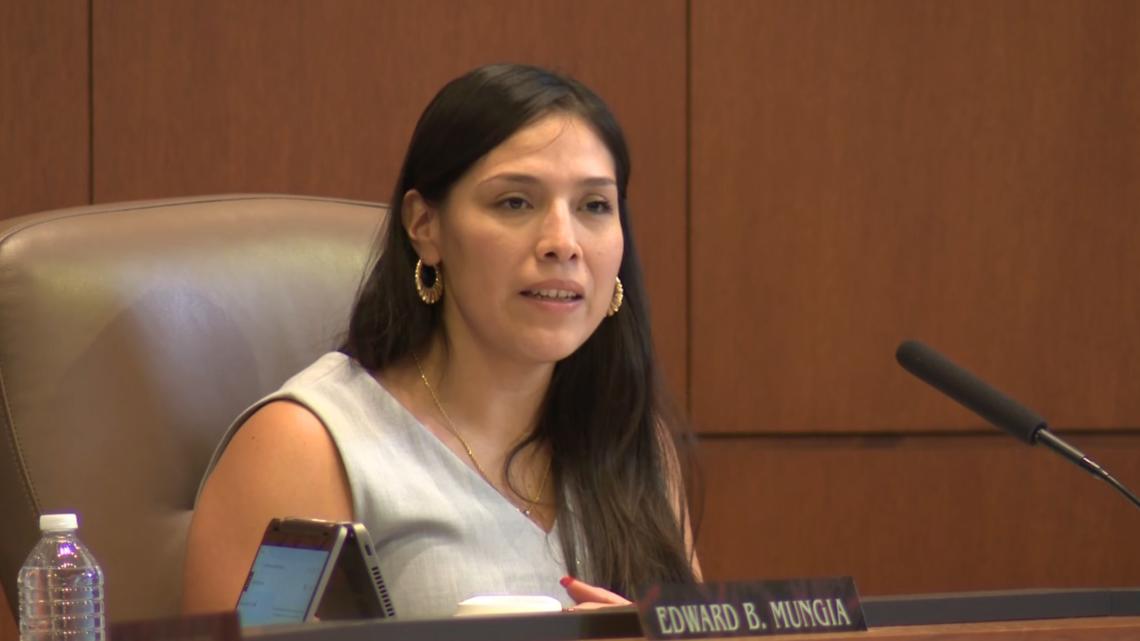
Kaur offered a supporting signature on the CCR drafted by Castillo and Whyte; they returned the same gesture for hers.
“We were independently working on them,” Kaur said of the two policy proposals. “But they were both very tangential.”
Kaur is advocating for the creation of a Community Benefit Agreement Oversight Committee to discuss priorities and make recommendations on how $75 million promised by the Spurs should be spent. That amount was stipulated in the term sheet approved by City Council in August and, at this point, would be comprised of $2.5 million annual payments over 30 years, the Spurs’ agree-upon lease period at the new arena.
What hasn’t been ironed out, however, is exactly what that money from the Community Benefits Agreement (CBA) would support. Yet Kaur said her office has already started getting proposals, including from organizations hoping to see CBA dollars flow to early child care.
“That made me take a step back to say, ‘Well, how are we already getting proposals for this when we haven’t done enough engagement on what people really wanted?'” the council member said. “So our thought behind doing this so early is so that we can get started on authentic engagement early.”
The oversight board, under Kaur’s proposal, would include members appointed from each City Council representative as well as the mayor, with a focus on housing and transportation advocates as well as representatives from the labor and hospitality industries. Also sitting on the board would be appointees from San Antonio ISD, the Bexar County Commissioners Court, City Manager Erik Walsh’s office and the Spurs.

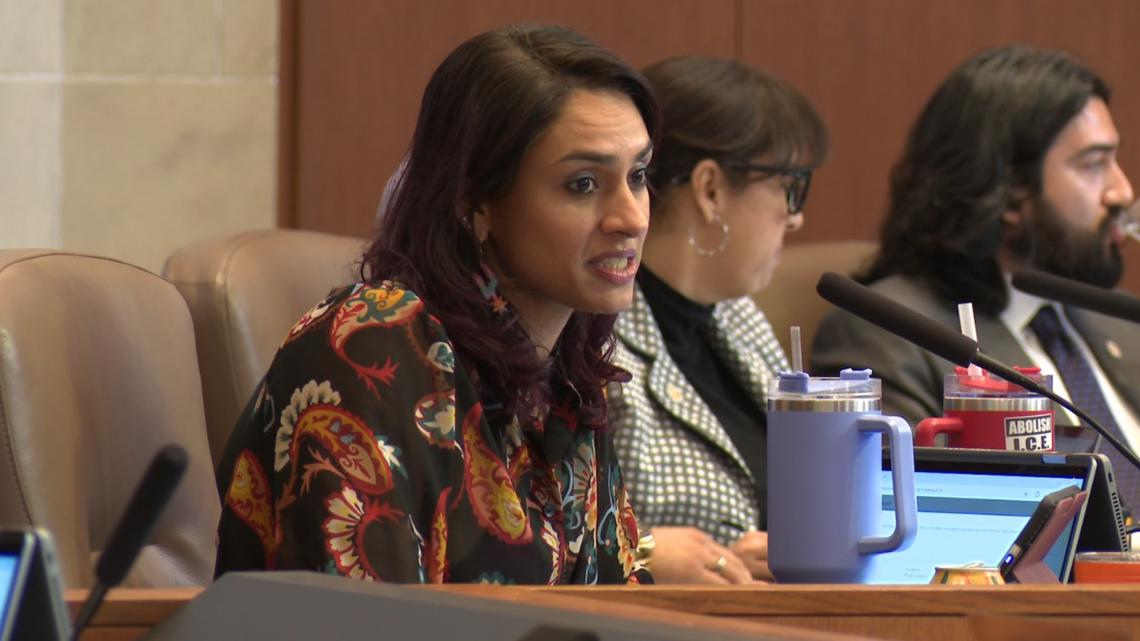


Kaur’s hope is the board would be established by late next spring and have the flexibility to adjust priority areas for CBA funds as the years go on. An accompanying CCR filed by Castillo and District 4 Councilman Edward Mungia in early October looks to create an overarching CBA policy to guide San Antonio leaders.
In the long term, were both of the new CCRs to pass, reports on how the community benefits money is being spent would also be publicly available on Castillo and Whyte’s dashboard. That CCR also hopes the dashboard would “serve as a model for tracking large-scale public-private partnerships in the future.”
In the construction of a new Spurs arena – expected to cost at least $1.3 billion, with as much as $800 million coming from the city and county – the city would have an appropriate project as its foundation for such dollar-tracking efforts.
“We were given many numbers in terms of the type of return that the City of San Antonio would see,” Castillo said. “My expectation is that we do see that this project is going to produce ‘X’ amount of jobs in the millions, that we are producing high wages for the folks that are going to construct the facility. My expectation is this dashboard is going to corroborate or potentially find gaps in what was proposed by the Spurs.”
The next steps in planning for the Spurs arena have not been publicly revealed, and more documents and agreements still have to be ironed out.
But at this point, the city has in its pocket the exclusive option to buy the 13.59-acre piece of land that used to be the home of the Institute of Texan Culture from the University of Texas system. And according to the term sheet between City Council and the Spurs, it’s estimated it would take 57 months to design and construct a Hemisfair arena which would have between 17,000 and 18,500 seats.
The team has said they hope to be in their new home by the start of the 2032-33 season.
A spokesperson for Spurs Sports & Entertainment, meanwhile, has said, the council members’ efforts reflect “processes that will guide the arena project.”
“Transparency and accountability have been consistent elements in our efforts with our public partners, including the Frost Bank Center,” said Liberty Swift, associate vice president of corporate communications for the team. “We will continue to engage constructively as our partners determine any oversight or reporting mechanisms moving forward.”