
Sirens, text alerts about incoming missiles and bomb shelters have once again become a part of daily life for people in Israel.
SAN ANTONIO — A San Antonio man alongside loved ones in Jerusalem have taken shelter more than 20 times since Saturday as Iran and its allies ramp up attacks following the U.S.-Israel military campaign that killed Supreme Leader Ayatollah Ali Khamenei.
“They say you have 90 seconds to get cover when the big air raid sirens go,” Swart said. “And usually right around the time you get in the shelter, you start to hear the interception launches, which can sound a little bit like a sonic boom or if it’s closer, much more like thunder,” said Winslow Swart.
Daily life in Israel and countries in the Gulf region of the Middle East has revolved around sirens, shelter and uncertainty. The U.S. State Department on Monday called for Americans to leave more than a dozen nations due to the escalating violence.
Six U.S. service members in Kuwait were killed following an Iranian drone attack.
At least 11 people in Israel have been killed as a result of Iran’s air strikes.
Iran has also targeted Bahrain, the United Arab Emirates and Oman, among other countries tied to the U.S.
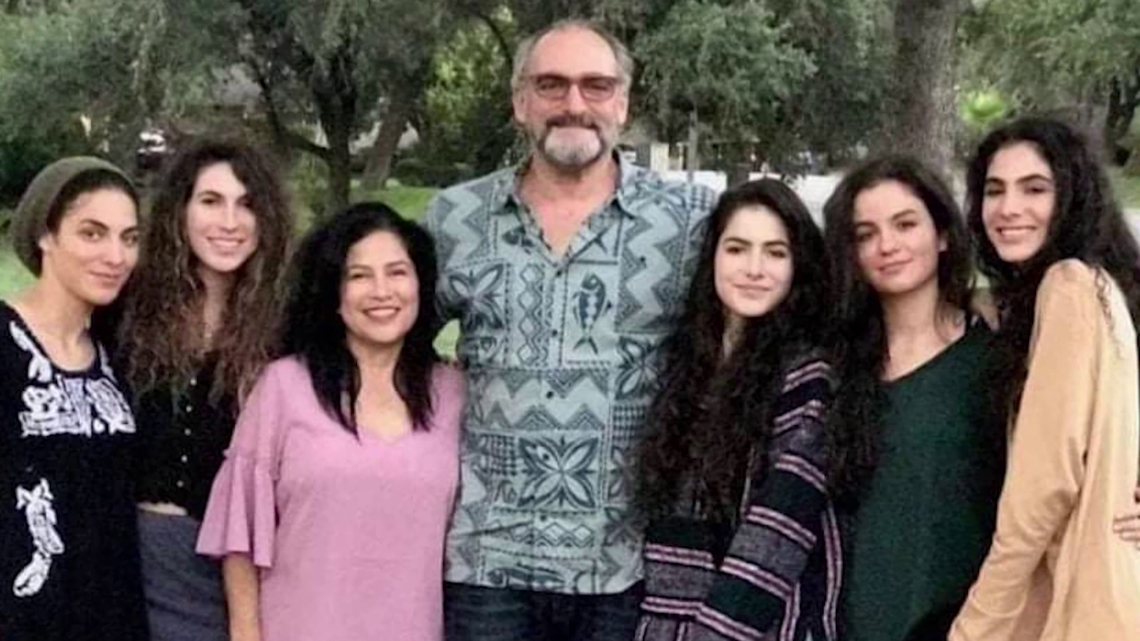
Swart and have family have kept vigilant and resilient amid the chaos.
“There was a warhead that fell not too far away from where we were,” Swart said. “We have to be wise; we have to be cautious. We don’t ignore any sirens. We don’t go to a place where we don’t know that we’re going to have cover.”
Despite the danger, he emphasized being surrounded by family has brought a sense of comfort.
“As far as any real major barrages in war, we’ve been in the States while our kids were here. And I have to tell you it’s a whole a lot easier to be with them then not with them. It’s a different level comfort when you’re together. It’s strengthening,” Swart said.
As the conflict escalates, commercial activity has slowed and air travel throughout much of the Gulf has been largely suspended, stranding tens of thousands of travelers, although Swart stressed he doesn’t feel trapped.
Swart, who is able to work remotely, plans to remain with family through at least March before returning to San Antonio.
While he acknowledges the risks of war, Swart is hopeful the conflict could lead to long-term change in Iran and the region.
“Nobody wants innocents to be harmed in the process,” Swart said. “But they (Iranians) are celebrating the potential for tyranny to finally be lifted from their lands. And I think that it’s kind of a global vibe that we want the Persian culture to thrive again.”