
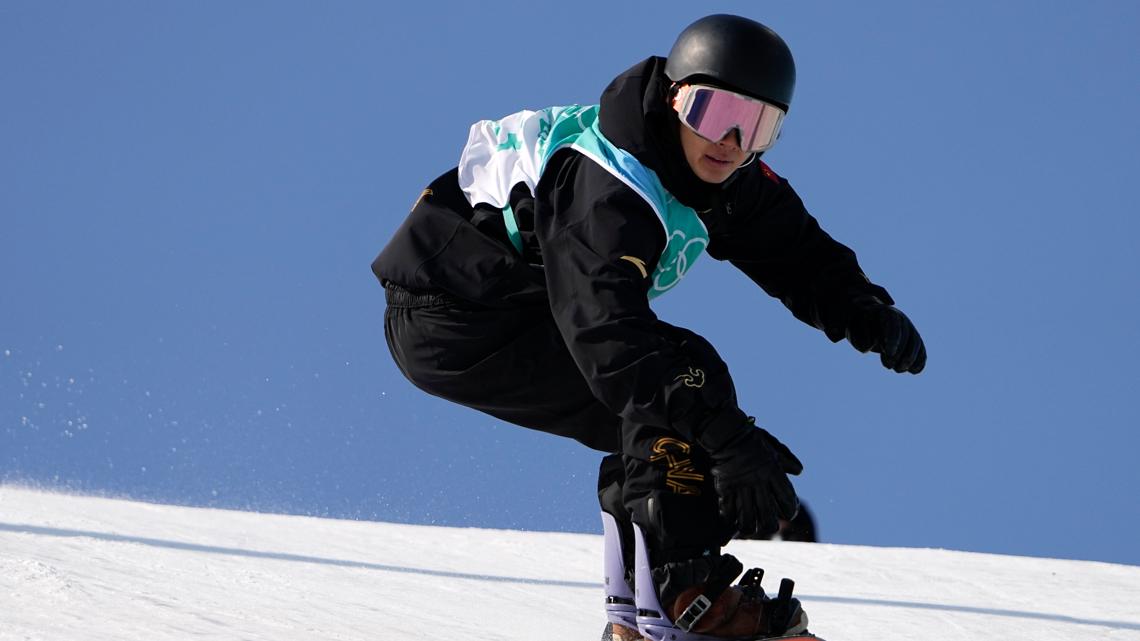
Big Air events at the 2026 Olympics feature huge jumps, high-risk tricks and judging based on difficulty, execution, height and progression.
WASHINGTON — With the 2026 Winter Olympics here, big air events are once again set to be some of the most jaw dropping competitions to watch. Big air snowboarding and big air freestyle skiing each feature a single, massive jump where athletes launch into the air and attempt their biggest tricks.
Both big air snowboarding and big air freestyle skiing are fairly new to the Olympics, with snowboarding debuting in 2018 and freestyle skiing in 2022.
What are the rules of big air snowboarding?
In big air snowboarding, riders drop down a long ramp and perform one trick per run after launching off a single oversized jump. Athletes compete in a best two out of three runs format, meaning only their two highest scores count toward their final total, NBC Olympics said. However, those two scores must come from different tricks, based on either rotation direction or takeoff style.
Judges score each run on difficulty, execution, amplitude, landing and progression. More spins and flips usually mean higher difficulty, but riders must stay in control from takeoff through landing.
Amplitude refers to how well the rider uses the jump, and going too high or too low can hurt the score. Clean landings are crucial. There’s also an added emphasis on progression, or pushing the sport forward with new or rarely seen tricks.
The highest and lowest judges’ scores are dropped before the remaining scores are averaged.
What are the rules of big air freestyle skiing?
Big air freestyle skiing follows a nearly identical format. Skiers also attempt one trick per run off a single jump and are scored using a best two out of three system, with their two best runs added together. Just like in snowboarding, those two scoring runs must feature different tricks, encouraging variety.
Judging is also based on the same key factors as snowboarding; difficulty, execution, amplitude, landing and progression. Skiers are rewarded for creativity, clean grabs and smooth landings, while mistakes like hand drags or unstable landings can lead to significantly lower scores.