
Those most at risk include unvaccinated people, those traveling internationally and young children under 5.
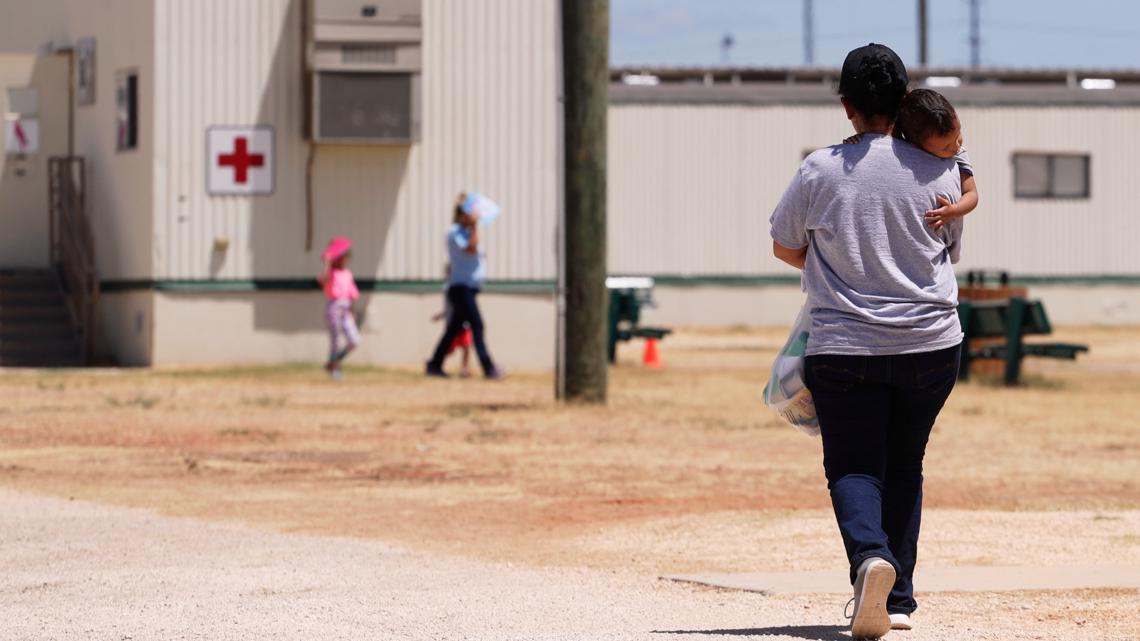
SAN ANTONIO — Two confirmed cases of measles at the Dilley immigration detention center forced lawmakers to cancel a planned Friday visit by Congressman Joaquin Castro out of caution surrounding the virus.
The illness is not one to be taken lightly.
Measles is one of the most transmissible pathogens known to man. That’s why there is so much concern anytime the disease is confirmed in multiple numbers.
“When you start talking about a space with other people in it, you become very concerned for people particularly that are at risk that have never been vaccinated or had measles before,” said Dr. Jason Bowling, an infectious disease specialist with University Health.
Measles is transmitted through large respiratory droplets secreted when people cough. But it also leaves tiny microdroplets that can sit in the air for up to two hours.
That means you can enter a room up to two hours after an infected person left that room and still catch the virus.
“If someone was that susceptible to measles infection, they could still get infected,” Dr. Bowling said. “It’s about a 90% infection rate for people that are at risk or susceptible.”
What about in an airplane, like when Minnesota boy Liam Conejo Ramos and his father departed the facility over the weekend and took to the skies?
“They have to look at this when they do contact tracing,” Bowling said. “There is ventilation in airplanes, which is helps decrease some of the risk.”
If you are flying, there is still risk at with any virus, particularly if you are within two rows in front or behind an infected person. But Congressman Castro’s office said Liam and his father “had a full medical exam” before departing last weekend.
On Monday afternoon, Castro took to X to call for the Dilley facility to “be shut down immediately,” arguing it isn’t prepared to combat a potential spread. The San Antonio Democrat said safeguarding personal health of both detainees and facility staff should be a top priority.
“ICE confirmed that no person at Dilley is a criminal,” he said in the post. “If an individual has been tested and diagnosed with measles, they should be moved to a facility with the medical capacity for proper treatment and containment. But the men, women, and children who have not been diagnosed with measles should no longer be detained at Dilley for their own safety.”
Dilley is located about 72 miles southwest of downtown San Antonio.
KENS 5 asked the Department of Homeland Security officials what precautions were being taken at the facility; we have yet to heard back. But a spokesperson with the Texas Department of State Health Services said the agency was “providing doses of measles vaccine as requested by ICE,” adding the affected individuals’ cases were not related and “are no longer infectious.”
Who is most at risk?
Those most at risk includes individuals who are unvaccinated, those traveling internationally, young children under 5, those who are malnourished and anyone with close contact to someone carrying the virus.
So how concerned should we be in San Antonio?
“This shows how much risk we are for measles being able to transmit once it gets into a community, particularly the higher the number of people you have that are susceptible,” Bowling said, adding that the best way to prevent being impacted by measles is to be vaccinated.