
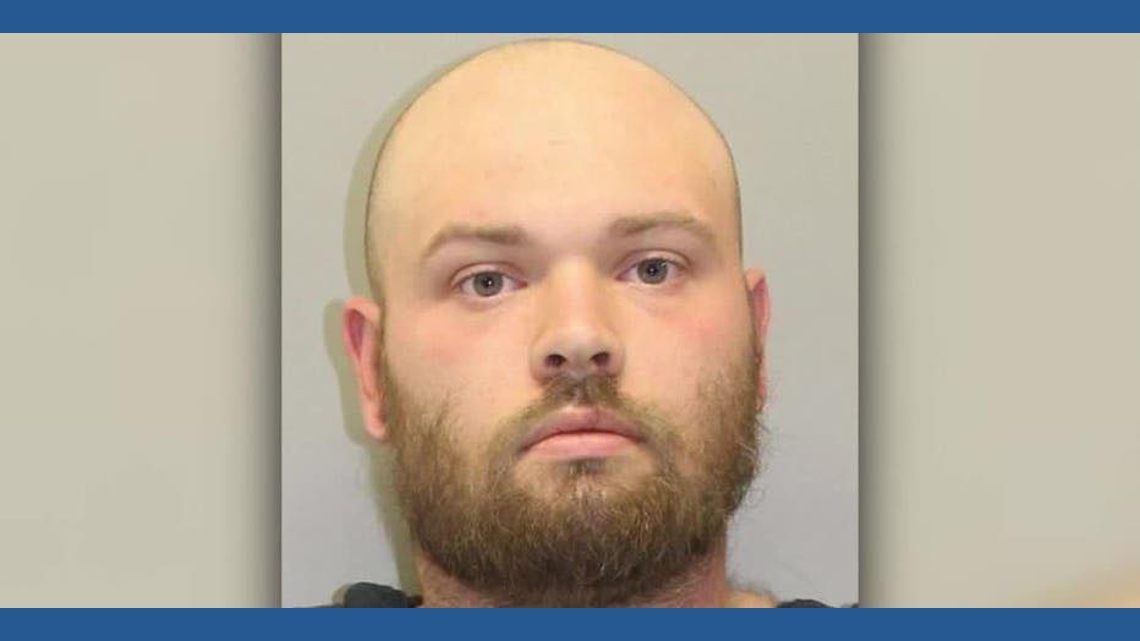
Opening statements are scheduled for Tuesday morning in a capital murder case that could determine whether Tanner Horner is sentenced to life in prison or death.
FORT WORTH, Texas — Prosecutors are asking jurors to sentence Tanner Horner to death in the killing of 7-year-old Athena Strand, a case that shocked North Texas more than three years ago.
Horner’s trial begins Tuesday in Tarrant County after presiding Judge George Gallagher moved the case from Wise County, citing concerns he could not receive a fair trial there. A gag order remains in place, preventing attorneys from speaking publicly.
Investigators say Strand was playing in the front yard of her family’s home on Nov. 30, 2022, when Horner arrived driving a contract delivery truck for FedEx.
According to police, Horner later confessed to hitting the child with his delivery van, abducting her out of fear she would tell her father, and then strangling her. Authorities say he led investigators to her body in rural Wise County.
“The facts are horrible,” said North Texas attorney and legal analyst Terry Bentley Hill.
Horner’s attorneys are challenging key parts of the state’s case. In court filings, they argue prosecutors should not be allowed to seek the death penalty, saying Horner’s autism reduces what they describe as his “moral blameworthiness.”
They are also asking a judge to suppress his confession, arguing he did not knowingly or voluntarily waive his right against self-incrimination.
“The science is pretty clear that autism is real, that autism affects people in profound ways,” said legal analyst Mike Howard. “Whether it is enough to help the defense in this case is largely going to depend on how severe that autism spectrum disorder is.”
Legal experts say death penalty cases follow a different process than most criminal trials — affecting everything from jury selection to sentencing.
“The saying in the law is, ‘death is different,’” Howard said.
Jury selection in capital cases can take weeks, as attorneys question potential jurors extensively about their views on the death penalty. In this case, that process was completed before opening statements.
If jurors convict Horner of capital murder, the trial will move to a punishment phase where they must answer two key questions.
First, jurors must decide whether Horner would pose a continuing threat to society. If all 12 jurors agree he would, they move to a second question: whether there is enough evidence about his background or circumstances to justify a life sentence instead of death.
If jurors unanimously reject that mitigating evidence, Horner would be sentenced to death. If they cannot agree at any stage, the sentence automatically becomes life in prison without parole.
“It’s going to be a battle of the experts,” Bentley Hill said.
Defense attorneys are expected to present testimony about Horner’s mental condition, including whether autism affected his understanding of his actions.
Jurors will only consider those questions if they first find Horner guilty of capital murder — a decision that would then determine whether he is sentenced to life in prison or death for the killing of Athena Strand.