
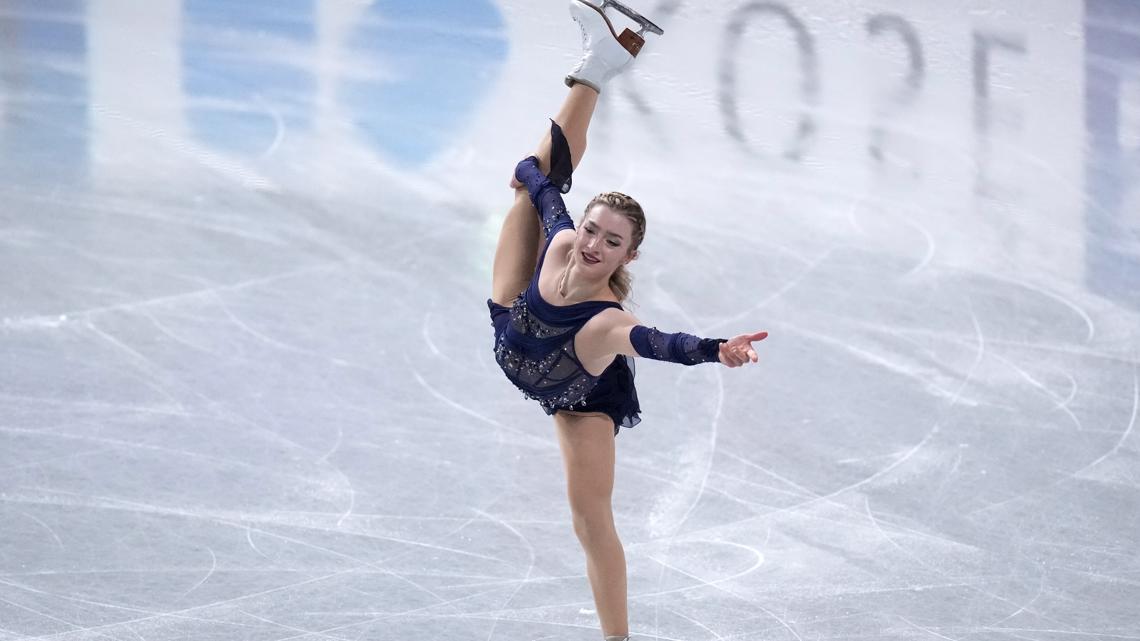
Five medal events showcase precision, power and performance on the ice in Milan-Cortina.
MILAN, Metropolitan City of Milan — Figure skating will take center stage at the 2026 Winter Olympics in Milan-Cortina, combining athletic power with artistic expression on blades just one-eighth of an inch wide.
The sport features five Olympic medal events: men’s and women’s singles, pairs, ice dance and team competition. Each event includes two segments — a short program and a free skate, also called the long program.
Singles skaters perform jumps such as the axel and lutz, with difficulty determined by the number of rotations. Pairs add lifts and synchronized spins, while ice dance focuses on intricate footwork, lifts and storytelling without jumps, resembling ballroom dancing on ice.
Judging is based on two components: technical elements, including jumps and spins scored for execution and difficulty, and presentation, which evaluates artistry, interpretation and musical connection.
“When it all comes together, it’s a magical balance of athletic power and pure expression,” the segment noted.
Figure skating has been part of the Olympic program since 1908, when it debuted at the Summer Games in London. It became a staple of the Winter Olympics starting in 1924 in Chamonix, France. Over the decades, the sport has evolved with more complex jumps, innovative choreography and growing global popularity.
The U.S. Olympic figure skating team will be announced following the U.S. Figure Skating Championships in St. Louis in early January.