
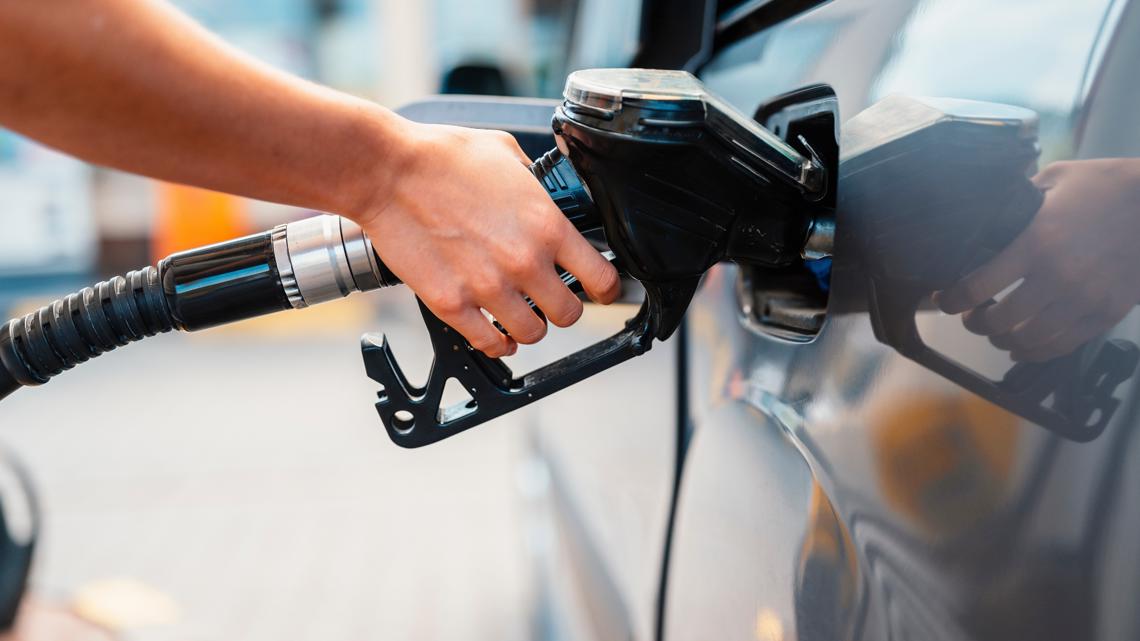
Excess oil, fewer regulations, lower taxes and proximity to oil refineries helps keep prices lower in Texas than most of the U.S.
SAN ANTONIO — You may have noticed you’re paying less at the pump. The national average for a gallon of gas dropped below $3 a gallon earlier this month and it continues to tumble.
This was the first time in four years that the price of a gallon of regular dropped below that $3 mark. Today, it sits just below $2.50, so it won’t take nearly as much money to fill the fuel for Santa’s sleigh, reindeer aside.
Patrick DeHaan, GasBuddy‘s chief spokesperson told KENS 5, “Gas prices in San Antonio are down 23 cents a gallon in the last seven days. An impressive decline. But sometimes when prices go down that quickly, something we call price cycling stations kind of engaging in a bit of a price for reducing prices very quickly, a few cents every day.”
According to AAA, the national average for a gallon of gas is $2.49. Here in Texas, today we match the national average with a price per gallon of $2.49 for regular. Which is down 10 cents from the price one month ago of $2.61. That’s about what we paid one year ago, a price of $2.60.
“A lot of that due to OPEC increasing supply throughout the course of this year, as well as refinery maintenance season, which has wrapped up here ahead of the colder weather,” said DeHaan.
Jay Young, the CEO of the King Operating Company and author of The Upside of Oil and Gas Investing added, “You’re seeing a lot of aftermath, if you will, the drill baby drill going into six months a year ago and we had a tremendous amount of drilling activity.”
On AAA’s gas price map, the states in dark blue are among those with the lowest gas prices in the country. That includes Texas.
So why are gas prices typically cheaper in the Lone Star State? Texas has one of the lowest state gas taxes in the country. Less regulation reducing significant costs per gallon. High competition among retailers. It is cheaper to switch to the winter blend in Texas. And the proximity to refineries and production reducing transportation costs.
“There’s a lot of oil in Texas, and there’s a lot of refineries in Texas. I mean, we’re drilling six million barrels a day with the Eagle Ford,” said Young.