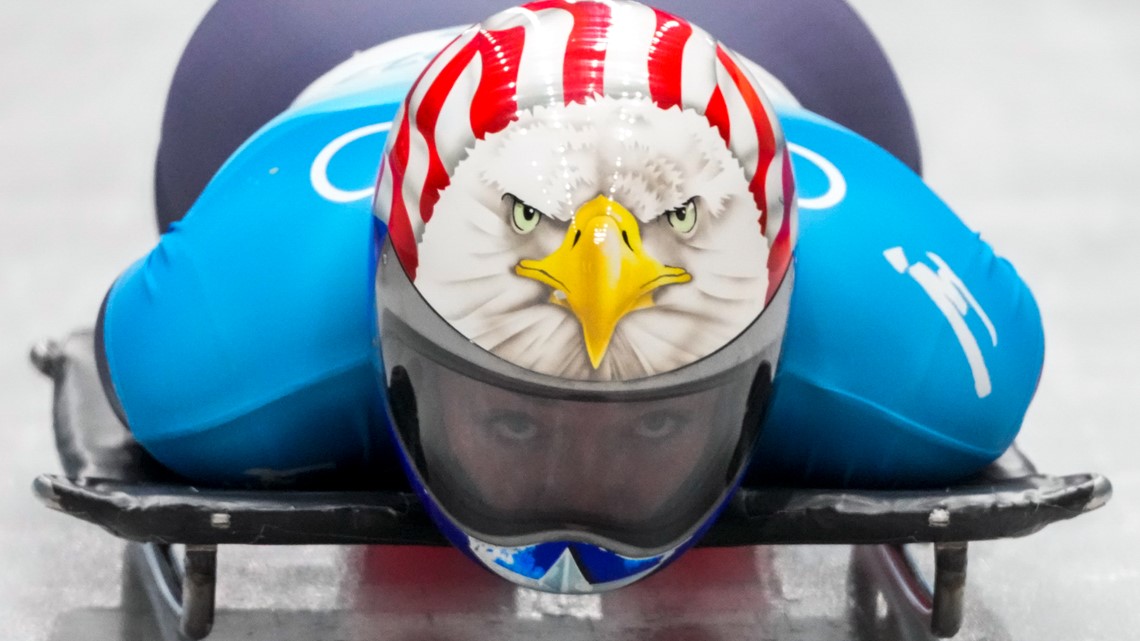
As the Winter Olympics return, exhilarating speed-centric sports such as alpine skiing, luge and bobsleigh take the spotlight. But which is fastest?
MILAN, Metropolitan City of Milan — The Winter Olympics are here and with various down-hill sports on the schedule, here are some of the fastest out there.
There are multiple ski-based sports, but only three are speed focused: Alpine skiing, freestyle skiing, ski jumping and snowboarding. Speed isn’t the only factor, or even the main factor, in many of these sports, but the athletes are zippy on their runs.
The three sliding-based sports are bobsleigh, luge, and skeleton. The main premise is the same among the sports, but they vary in execution, resulting in different speeds, styles and scores.
Alpine skiing
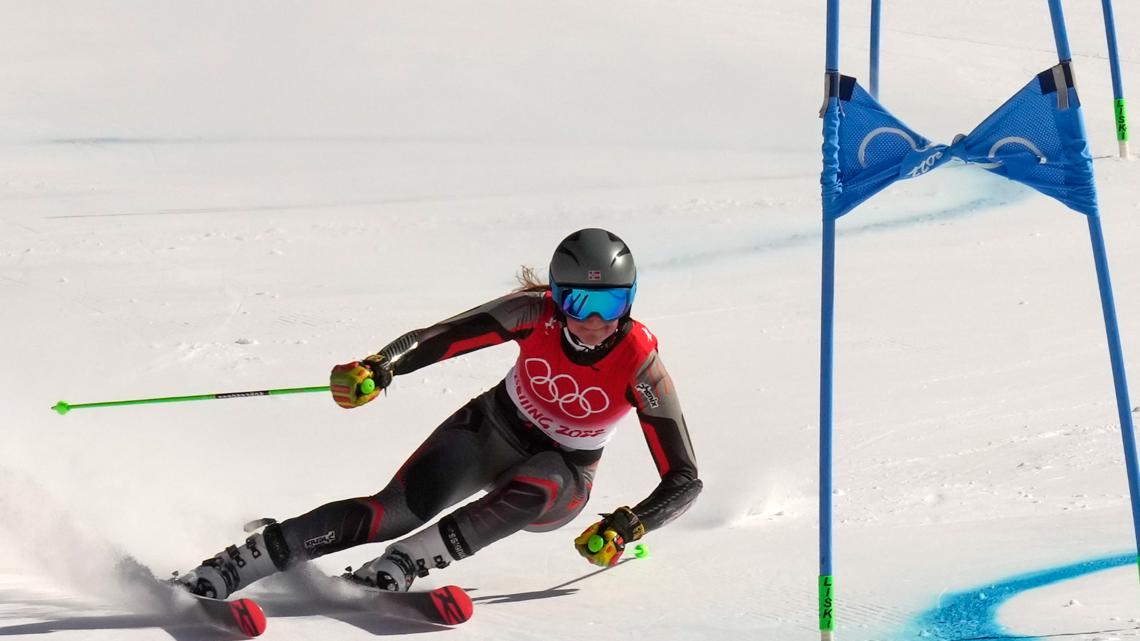
Alpine skiing was created in the late 19th century and has been part of the Olympic Games since 1936.
The sport is split into various events: speed, technical and team.
For speed events, athletes have to follow a course lines with pairs of gates. Skiers are disqualified if they miss gates while skiing downhill. There are three slalom disciplines and the “Super-G” or “super-giant” slalom has wider turns, resulting in higher speeds.
The downhill and super-G races are held in one round. In both races, the winner is determined by the fastest time.
Speeds are known to reach roughly 80 mph.

Freestyle skiing
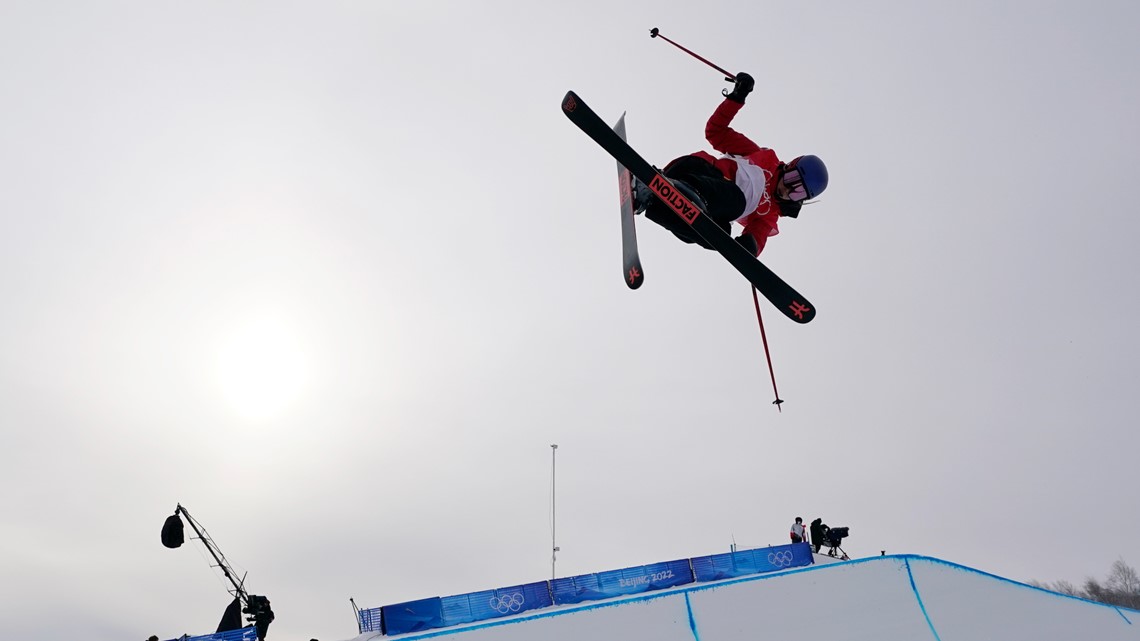
Freestyle skiing was created in the 1960s and made its Olympic debut as a demonstration sport at the Olympic Winter Games Calgary 1988. It’s one of the younger sports in the Olympics.
There are multiple competitions encompassed within the freestyle skiing sport, but moguls are the ones focused on speed.
In these moguls, skiers race down a steep course with bumps, turns, jumps and aerial maneuvers to see who can get to the finish fastest. In dual moguls, two people compete against each other on the same track.
In the 2026 Games, there will be Women’s Moguls, Men’s Moguls, Women’s Dual Moguls and Men’s Dual Moguls.
Speeds are known to fluctuate between 30 and 60 mph.

Ski jumping
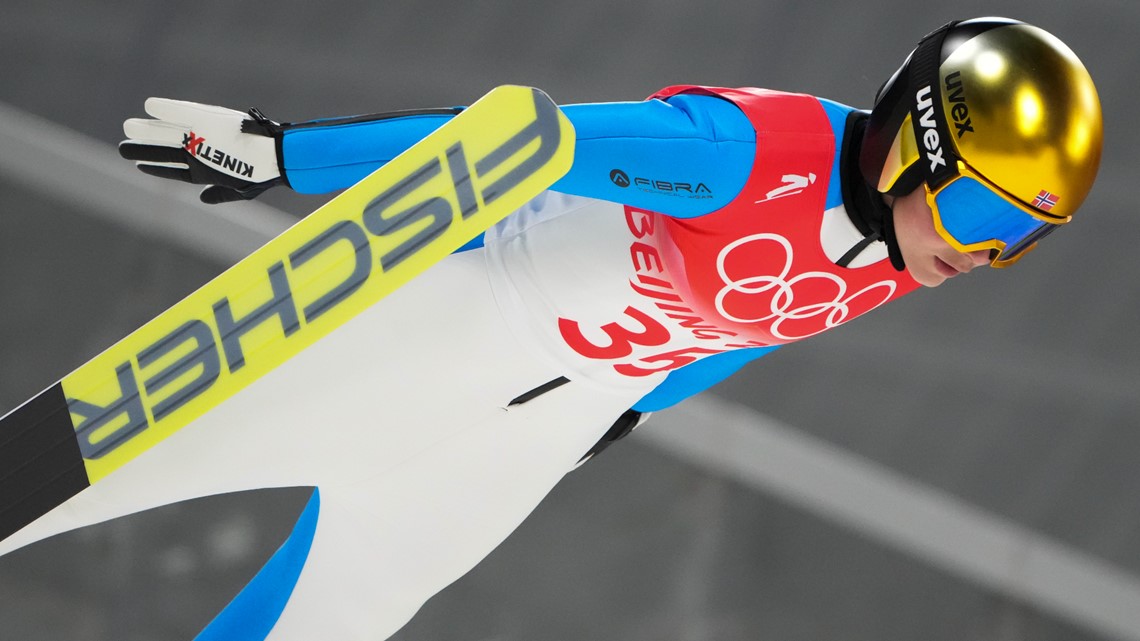
While speed isn’t exactly the factor ski jumpers are focusing on, they reach nearly freeway speeds while going down hill.
It debuted on the Olympic program in 1924. This year, there will be Women’s Normal Hill Individual, Women’s Large Hill Individual, Men’s Normal Hill Individual, Men’s Large Hill Individual, Men’s Super Team, Mixed Team jumpers.
Jumpers aim to get the furthest distance after sliding down a long, curved ramp and “flying” or jumping from the bottom.
Speeds are known to reach roughly 60 mph.

Bobsled
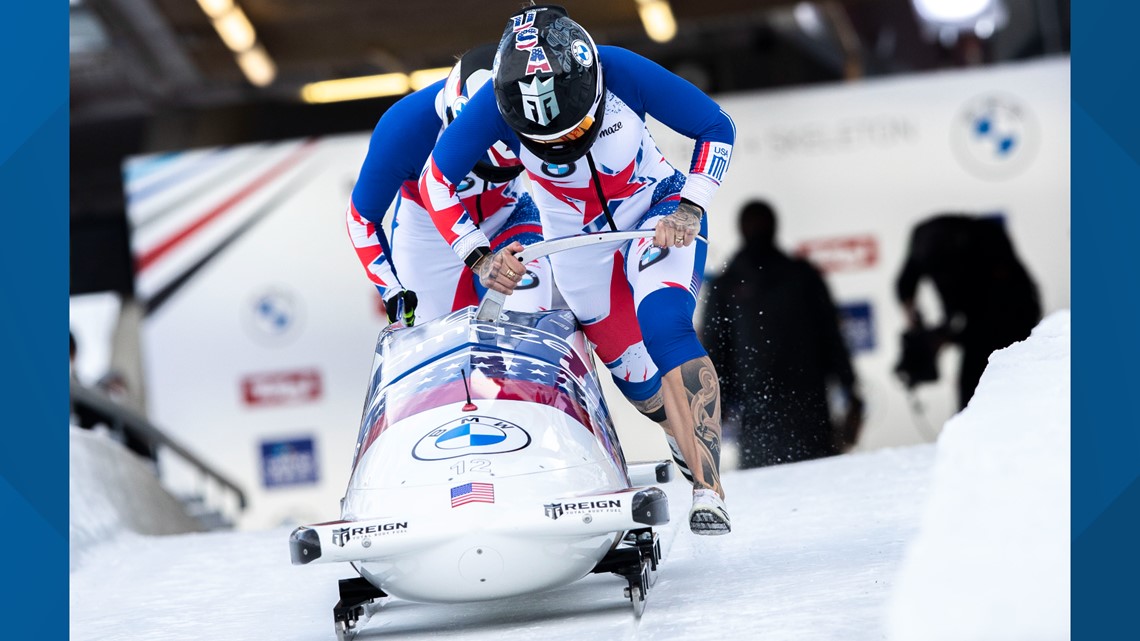
Bobsleigh, also called “bobsledding,” was invented by the Swiss in the late 1860s and is the original sliding sport — making its debut at the inaugural Winter Olympics in 1924.
For years there have been three disciplines: two-man, four-man and two-woman. In four-man, mixed-gender crews have been allowed since 2014, but since more weight is typically desirable in a sled, this option is rarely used.
As part of the effort toward equal opportunities for women, the women’s monobob will return for the 2026 Winter Games after its introduction in 2022. As the name suggests, only one woman will be in the sled.
The start is important for teams, since all teams run on the same ice, according to the Olympics. The advantage of going first leads to sliding on smooth ice.
So how does bobsleigh start? Team members push the sled as hard and fast as they can — holding retractable handles — and jump inside. The driver at the front controls the direction. Everyone else is sits through the ride, and the person in the back pulls the brake at the end of the run.
Speeds are known to reach up to 90 mph.

Luge
Luge is a sport originating in Switzerland with roots dating to the 16th century. It made its Olympic debut in 1964 with a men’s event, a women’s event, and a doubles event. The team relay was introduced at Sochi 2014. Women’s doubles will make its Olympic debut at the Milano Cortina games in 2026
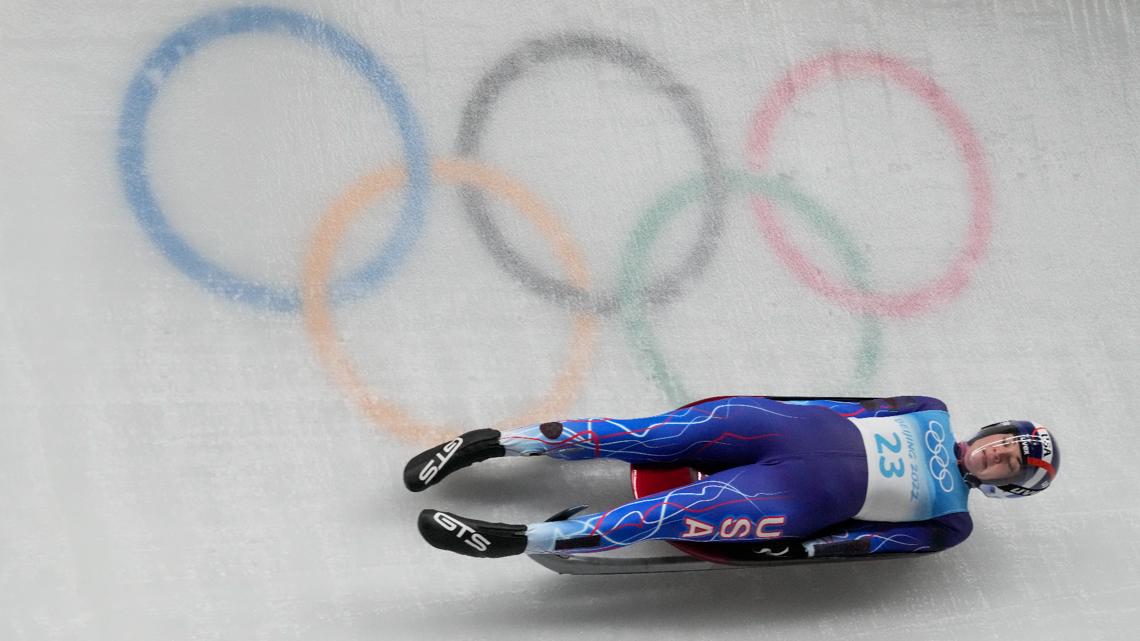
Unlike bobsleigh, luge has no running start. Another major difference is how athletes are exposed entirely to the elements in luge. They lay on their backs and slide down the slope feet first.
Steering is done by shifting body weight, using the calves to change the direction of the runners — the blades that touch the ice and sled — or by pulling on the handles that the slider holds onto.
In singles, each slider gets four runs over two days. In doubles, it’s two runs on one day. The person or team with the fastest combined time in each event is the winner.
In the relay, a single woman, single man and a doubles team each take turns going down the track. When each gets to the bottom, the slider must reach up and hit an overhead paddle to open the gate at the top, allowing the next slider to go. There is only one run, with the time starting when the first slider goes and ending when the final slider touches the paddle.
Speeds are known to reach up to 93 mph.

Skeleton
Skeleton dates to the late 19th century in St. Moritz, Switzerland. The Olympics said it’s considered one of the “oldest winter sports in existence.”
Skeleton is more similar to luge than bobsleigh, but there are still massive differences… starting with how sliders go down the slope head first on their bellies.
Similarly to bobsleigh, the slider gets a running start with their sled and then jump on. To steer, sliders use their knees or shoulders, their bodyweight or toes.
There will be a men’s and women’s skeleton run. A mixed team event will be added to the program in 2026.
Many athletes have interesting art on their helmets, as it’s the only protective gear they get. So keep an eye out for some fun pieces.
Speeds are known to hit about 80 mph.