
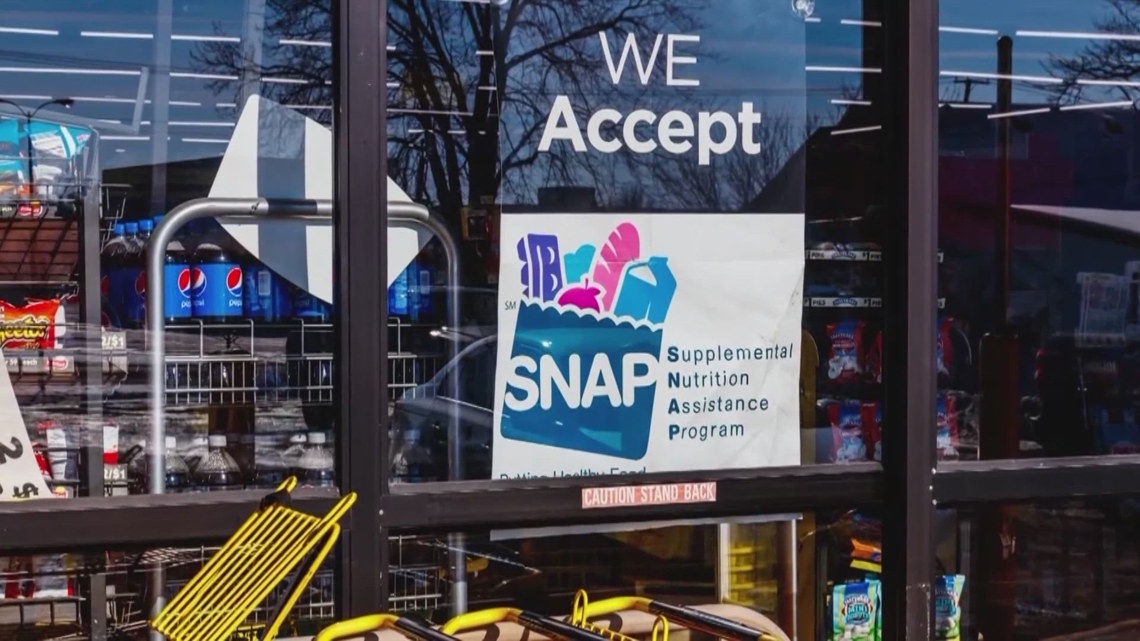
Veterans and the homeless are no longer automatically exempt from the SNAP work requirements.
SAN ANTONIO — New work requirements for the Supplemental Nutrition Assistance Program, or SNAP, are now taking effect and raising red flags among recipients and food assistance advocates who fear the changes could leave some families without reliable access to food.
Stephanie Green, a Bandera resident and owner of an online military surplus store, relies on about $300 a month in SNAP benefits to help cover groceries. She said she has not yet been notified by the Texas Health and Human Services Commission about the new requirements and worries about how the changes will affect others in her rural community.
“It’s kind of a cushion for me,” Green said. “If that goes away, we’ll be going back to food pantries and outside help like we were before.”
Green, who lives in a rural area without public transportation, is concerned the changes will affect people who already face barriers to employment and access.
“We’re so isolated out here,” Green said. “People who don’t have cars or a way to even get to work. I don’t even know how they’re going to meet those expectations.”
Under the updated rules, people ages 18 to 64 without dependent children under 14 must work, volunteer or take part in job training for at least 80 hours a month to continue receiving SNAP benefits.
Recipients are required to document and report their hours to state officials in order to maintain benefits. Failure to do so could limit them to just three months of benefits over a three-year period.
The SNAP work requirements previously applied to adults ages 18-54, which included exemptions for various demographics.
Now veterans, people who are homeless and young adults aging out of foster care must now fulfill work or activity requirements unless they qualify for a separate exemption such as being physically unable to work.
Eric Cooper, president and CEO of the San Antonio Food Bank, said since the government shutdown of 2025, stigma and confusion around SNAP eligibility have discouraged some SNAP-eligible households from applying. Cooper believes stricter documentation rules could compound obstacles for people trying to secure nutrition assistance. But he stressed the food bank is always ready to help and support families. Cooper encourages people to reach out if they need guidance on the changes to SNAP: 210-431-8326.
“We want to be prepared to meet those needs for families that feel the disruption and make sure they can still put food on the table for their loved ones,” Cooper said.
The revamped rules come as a result of the One Big Beautiful Bill signed by President Trump last year.