
A Travis County district judge extended a pause on a ban that would restrict the sale of consumable hemp products in Texas until July 27.
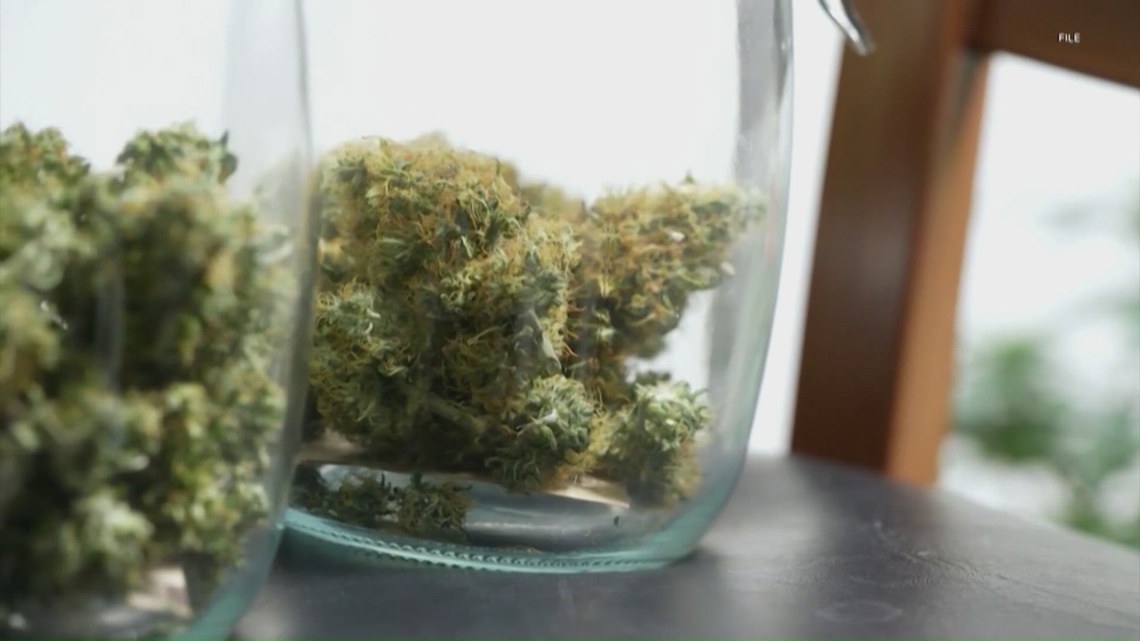
AUSTIN, Texas — A Travis County district judge has allowed the sale of natural smokeable hemp products, including flower buds and rolled joints, in Texas until July 27, according to court documents obtained by KVUE.
Judge Daniella DeSeta Lyttle on Friday extended the temporary pause first granted in early April.
Lyttle granted a temporary injunction to the Texas Hemp Business Council, Hemp Industry & Farmers of America, and several Texas dispensaries and manufacturers, court documents show. The order blocks new testing rules that set a 0.3% total THC threshold, which would effectively ban natural smokeable hemp products. It also puts a pause on an increase in licensing fees for hemp retailers.
The pause had been set to expire Friday.
On April 7, the Texas Hemp Business Council and several retailers filed a joint lawsuit in Travis County district court, claiming the Texas Department of State Health Services (DSHS) exceeded its legal authority with new rules that went into effect March 31. The lawsuit targets DSHS, Attorney General Ken Paxton and others. At the center of the dispute is how the state calculates THC levels, the compound responsible for cannabis’ psychoactive effects.
DSHS said the updated rules align with an executive order issued last September, which aims to prevent minors from accessing hemp‑derived THC and strengthen enforcement across the state.
The Texas Hemp Business Council said it supports some of the state’s efforts but argues that several of the new regulations conflict with existing Texas law and the Texas Constitution. The lawsuit asks the court to immediately block the rules and declare them invalid.
Plaintiffs argue the state’s method is stricter than lawmakers intended and could threaten thousands of businesses. Hemp products are widely sold across Texas, including oils and edibles often marketed for health and wellness.
Economist Beau Whitney testified the restrictions could cost Texas $7.2 billion annually and eliminate about 36,000 jobs as businesses close or relocate to states with less restrictive laws.
KVUE reached out to DSHS and the attorney general’s office for comment. DSHS said it does not comment on pending litigation.