
Red meat allergy cases are spiking in numerous states, causing conspiracy theories about the syndrome to rise. Here’s why the claims are bunk.
MISSOURI, USA — A years-old conspiracy theory about a tick-borne red meat allergy has spread online almost as quickly as cases have risen in numerous states.
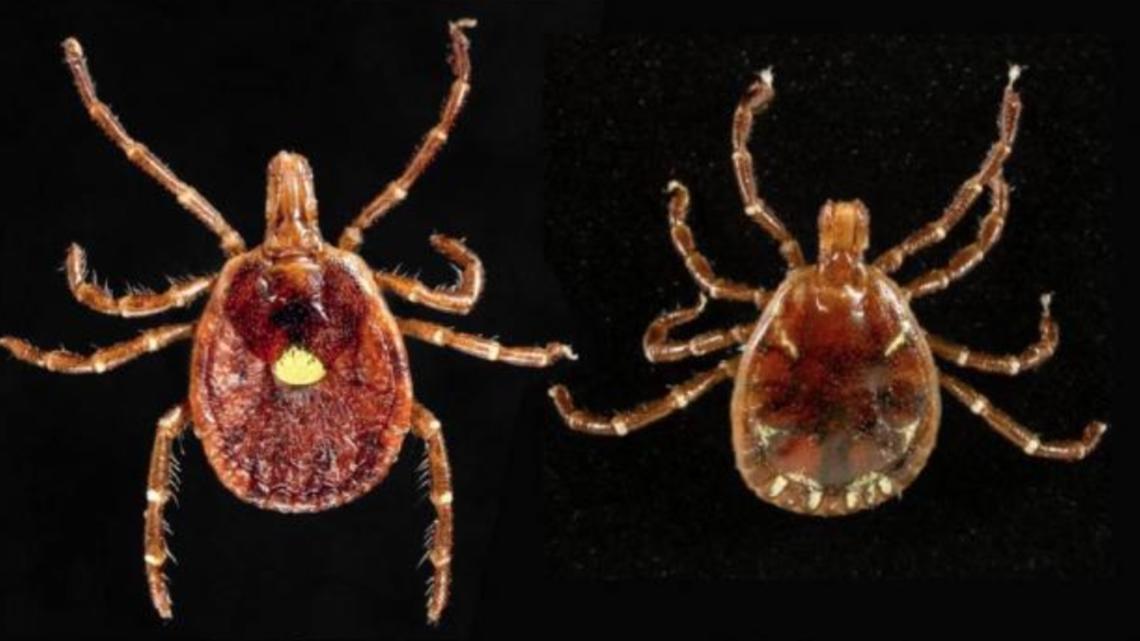
The Alpha-gal syndrome, spread by the Lone Star tick, has recently made national headlines due to the first death attributed to the syndrome being recorded in New Jersey. Officials in Missouri also recently issued a public health alert about rising cases among farmers, ranchers, hunters, and anglers in the state.
5 On Your Side reported on both of those instances and received an overwhelming amount of comments claiming the allergy was created by Bill Gates and his philanthropic foundation. Our research indicates there’s no truth to the claims.
The claims stem from funding that the Bill and Melinda Gates Foundation provided to United Kingdom-based biotechnology company Oxitec in 2021. The company received the funding to specifically limit the population of southern cattle fever ticks, otherwise known as Asian blue ticks, which spread deadly diseases in livestock.
Alpha-gal was first identified in the United States in the early 2000s, long before the Foundation’s interest in tick research began, according to Yale Medicine. Cases of the syndrome increased in numerous states between 2010 and 2022, when more than 110,000 cases were identified. The Centers for Disease Control and Prevention estimates that as many as 450,000 people may have been affected by the syndrome as of 2023.
The allergy is also spread by the Lone Star tick, which isn’t the southern cattle fever tick that the Gates Foundation’s funding was focused on. The southern cattle fever tick was actually largely eradicated from the United States by 1943, according to the CDC.
The recent rise in the syndrome isn’t attributed to the Gates Foundation or any other conspiracy but rather human-induced climate change, through the burning of fossil fuels like coal, oil, and gas, causing warmer temperatures across the nation. Lone Star ticks have historically been found in the southeast, but milder winters have allowed ticks to become established in more northern states. The increase in white-tail deer populations, a host for Lone Star ticks, has also been attributed to the ticks’ spread.