
Leaders debated a proposal to limit private detention centers amid controversy over a new ICE facility, citing community harm and safety concerns.
SAN ANTONIO — With one council member absent, the final vote was 8-2 on a proposal that could make it more difficult for some kinds of detention facilities to do business in San Antonio.
The vote came around noontime Thursday, after about two hours of discussion, including passionate pleas from several citizens.
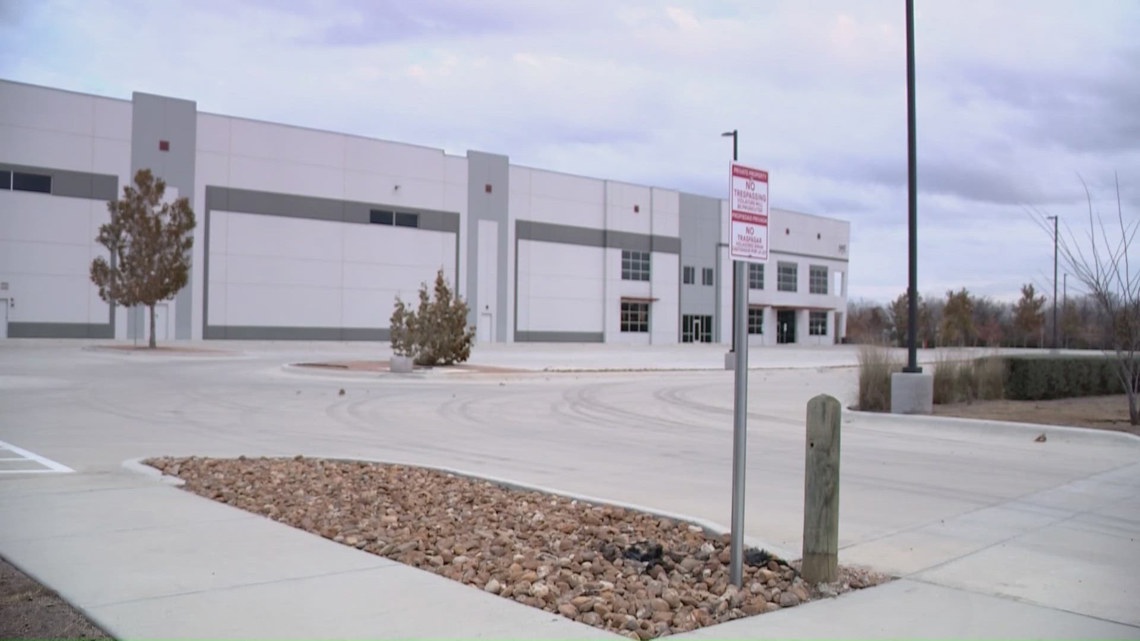
The matter was brought to City Council after a recent controversial move by ICE to establish a facility on Southeast Loop 410.
“The federal government still has an opportunity to purchase and create detention centers,” said District 5 representative Teri Castillo. “The initiative and the research that we’re doing now and directing staff is primarily around private detention centers.”
Castillo said no matter what action federal officials take, locals have a duty to act to protect citizens.
“We have a responsibility as City Council to say, ‘Hey, how can we talk about zoning to prohibit private detention centers in our community?” Castillo said.
City Attorney Andy Segovia said: “As has been reported, this is a new model.”
Segovia told council that finding a way forward wouldn’t be fast or easy.
“There is no warehouse that has actually been converted and operating,” he said.
The federal government earlier this year purchased a 640,000-square-foot “mega warehouse” intended to be used as an ICE detention facility. The price tag: $66.1 million, according to county records.
The resolution approved by council Thursday directs city staff to evaluate if it would be possible to consider code and/or policy changes related to detention facilities operating within city limits. The focus will be on zoning, land use and regulatory limitations that currently exist.
“I am mother, a wife, a daughter, a social worker, a Christian and a longtime San Antonio resident,” Hilda Santiago told council on Thursday.
Struggling to maintain her composure, she told a harrowing tale of the day her husband was swept up off the street and into a detention center. She said she wanted to convince council to do everything possible to prevent more ICE presence in the city.
Santiago said her husband was on his way to work in January. The reason given by a state trooper for the stop, Santiago said, was that “the registration sticker on his truck was too high.”
Turned over to ICE, she said her husband, who has no criminal record, was shipped to a detention facility in Pearsall where he stayed for days.
“When I found out, I dropped to the ground and cried,” Santiago said.
She said their small daughter was distraught, constantly asking for her father. It took almost four weeks and $10,000 in legal fees to secure his release, she said.
Antonio Diaz showed up with a sign to share that read: “San Antonio Rejects Concentration Camps.”
“They are already turning our police officers into ICE agents! That just installs more fear into our communities,” Diaz said, adding he believes it is an idiotic and ridiculous course of action.
Pedro Ruiz promised that citizens would rise up to protest any additional facilities.
“In my work, I have worked with families whose lives were shattered overnight,” said Minister Ricardo Jimenez Reyes, asking for rule changes that would not accept suffering as normal.
Council discussed a two-tiered solution: a short-term moratorium on new facilities and a longer-term fix that would update the city’s unified development code with new restrictions.
“They are inflicting tremendous harm on our community,” District 2 representative Jalen McKee-Rodriguez said. “We need to establish the strictest guidelines we can.”
“There are specific health and risk concerns and the locations they choose, if they insist on coming into an inner city population,” added Phyllis Viagran of District 3.
Councilman Marc Whyte opposed the proposal.
“The UDC is being used to set immigration policy and that’s wrong,” said Whyte, who represents District 10.
Even with an expedited process for approval, they say April 16 is the earliest the matter can return for a vote.