
Understanding soccer for the first time? Learn how player positions and team formations can influence game strategy and balance offense with defense.
DALLAS — If you’re watching the World Cup for the first time – or perhaps you’re a casual watcher who tunes in every once in a blue moon – understanding how players are organized on the field is a great first step to following the game.
Each team uses specific positions and formations to balance offense and defense while trying to control the pace of play.
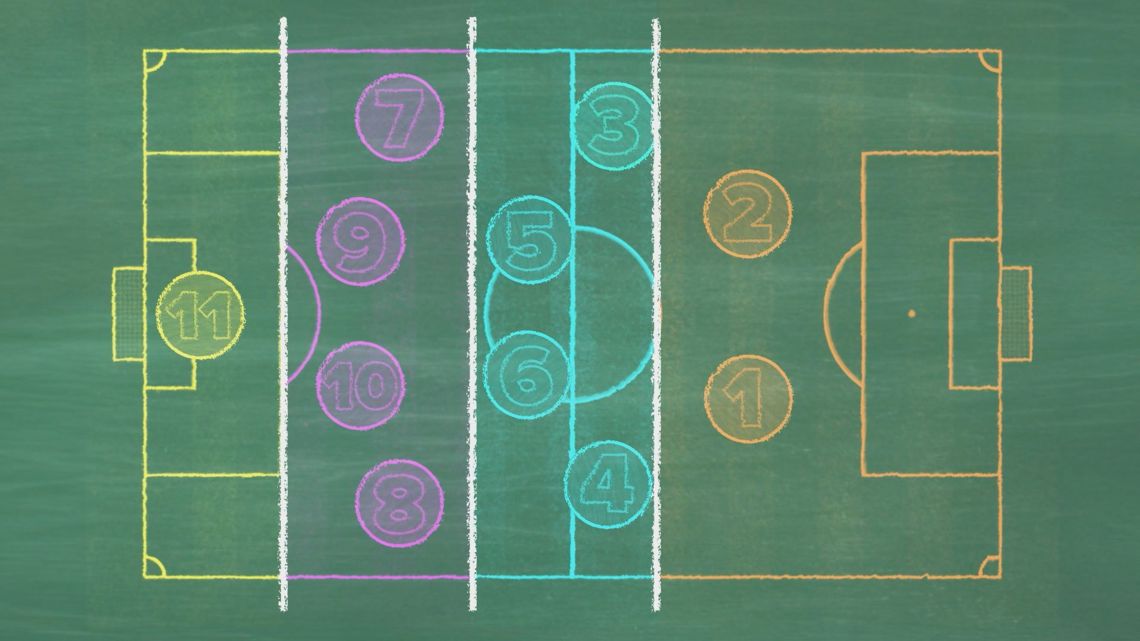
Eleven players for each team – so 22 total – will play on the field at one time, and those players are generally divided into four main position groups: goalkeepers, defenders, midfielders and forwards.
The goalkeeper is the only player allowed to use their hands, but only inside a designated area near the goal known as the 18-yard box, or penalty area. The goalkeeper’s primary responsibility is to prevent the opposing team from scoring.
In front of the goalkeeper are the defenders. Teams use anywhere between three to five defenders, depending on their formation and strategy. Their job is to stop attacking players, block shots and help regain possession of the ball.
Midfielders typically occupy the middle third of the field and serve as the connection between defense and offense. These players often cover the most ground during a match because they help defend when the team does not have possession and help create scoring opportunities when their team is attacking. Again there can be anywhere between three or five midfielders in the most common formations.
Closer to the opponent’s goal are the forwards, sometimes called strikers or wingers. Their primary objective is straightforward — score goals. Forwards are usually the team’s main attacking threats and are often the players fans look to when a goal is needed.
Teams can arrange these positions in many different ways using formations. One common example is the 4-4-2 formation, which includes four defenders, four midfielders and two forwards. Another popular formation would be a 4-3-3: Four defenders, three midfielders and three forwards. Other formations change the balance between defense and attack, but the total number of players on the field always adds up to 11.
Soccer formations give teams flexibility in how they play. Some teams prefer more defensive structures, while others push additional players forward to create more scoring chances.
No matter the strategy, every team follows the same basic structure: a goalkeeper protecting the net, defenders guarding the back line, midfielders controlling the flow of play and forwards pushing toward the goal.
SOCCER 101:
Brush up on your knowledge ahead of the World Cup with these explainers: