
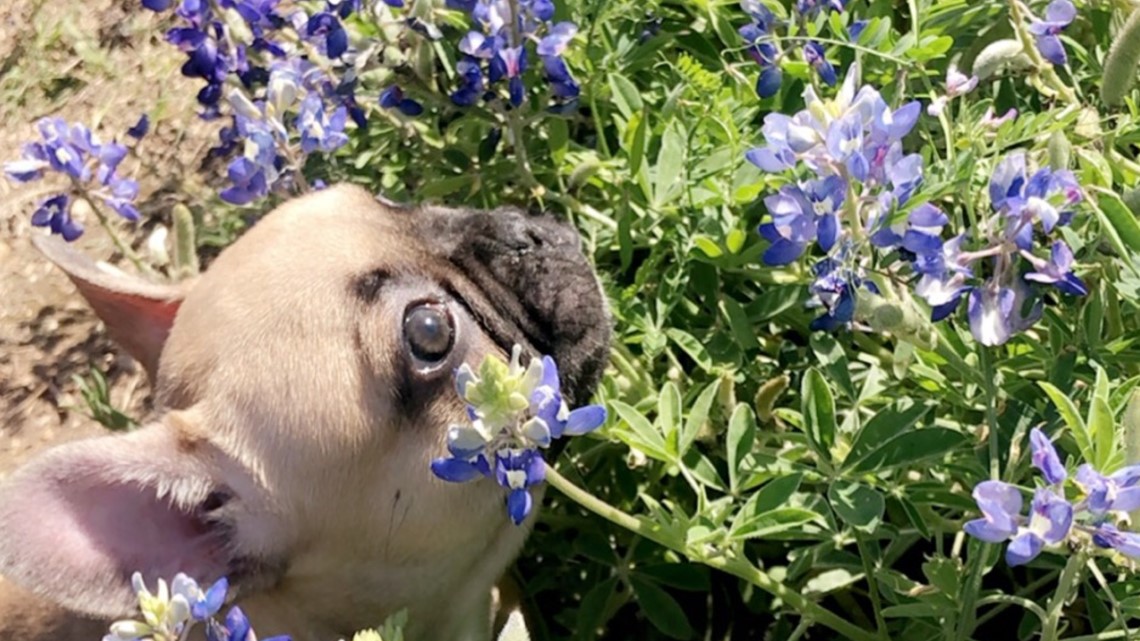
With warmer winters speeding up bluebonnet blooms in Texas, concerns arise over whether the ongoing drought will dampen their iconic spring spectacle this year.
SAN ANTONIO — If you’ve noticed patches of bluebonnets already popping up around South Central Texas, you’re not imagining it. Texas’ iconic state flower is beginning to bloom — and this year, it may be happening a little earlier than usual.
Warm winter temperatures across the region are helping trigger some of the first blooms of the season.
“You’re starting to see pockets of them starting to bloom right now,” said David Rodriguez, an extension horticulturist with Texas A&M AgriLife Extension.
Rodriguez says bluebonnets don’t follow a strict calendar. Instead, their growth is heavily influenced by soil conditions and temperature.
Bluebonnets actually begin their life cycle months before people see them along roadsides and fields. The plants germinate in the fall, typically between September and November, then spend the winter as a low-growing rosette close to the ground.
“They germinate basically in the fall… then they overwinter as a tight little rosette plant,” Rodriguez explained.
Once soil temperatures warm up, the plants begin producing the blooms Texans associate with spring.
But this year, the bigger concern isn’t just early blooms — it’s drought.
Much of South Central Texas has experienced persistent dry conditions, which could limit how widespread the blooms are this season.
“For native stands in Central and South Texas… they’re not going to be as prolific as what we’ve seen in the past because of the drought,” Rodriguez said.
In other words, Texans may still see bluebonnets this spring — but the massive, thick fields the state is famous for could be harder to find if rain doesn’t return soon.
Rodriguez says the timing of bluebonnet season varies from year to year depending on rainfall and temperatures. Some seasons begin around Valentine’s Day and can last through Mother’s Day.
Even in drier years, though, bluebonnets can still appear in pockets across the state.
Experts say the best thing Texans can do right now is keep an eye out — and hope for rain.
Because when the conditions are right, those scattered blooms can quickly turn into the blue fields that define spring across Texas.