First community forum draws voices on César Chávez Boulevard—Durango, farmworker tributes and cost concerns all on the table.
SAN ANTONIO — The debate over whether to rename César E. Chávez Boulevard is now moving from online responses to in-person community input.
Dozens of residents gathered Wednesday at Jaime’s Place for the first of two public meetings to discuss whether the corridor should keep its current name, revert to Durango Boulevard or take on a new identity.
The meeting comes after a city survey found 64% of more than 18,000 respondents support returning the street to its former name, Durango, with even stronger support — 79% — among those who live along the boulevard.
The street, which stretches roughly five and a half miles from the East Side through downtown and into the West Side, was renamed in 2011 to honor labor leader César Chávez.
Now, residents are weighing in on whether that name should change again.
At the meeting, opinions varied — but one theme was clear: for many, the issue is deeply personal.
Some neighbors said they support reverting back to Durango, arguing it reflects the area’s history and identity — and that they don’t want to relive past name changes.
“It should have just stayed the way it was: Durango Street,” said resident Diana Oranday, who added she still refers to parts of the area by their former names, including Old Highway 90.
Others echoed frustration with how the original change was handled.
“For years we were unhappy with the change,” said Christine Ortega, who lives on César E. Chávez Boulevard. “I think there was a lot of political pressure to change it at the time… it didn’t feel necessarily genuine to us.”
Still, not all residents want to simply go back to Durango.
Some said if the city is going to move forward with a change, it should reflect the broader farmworker movement — not just one individual.
“This work was not one man. It was a whole gigantic ejército — an army of people committed to this effort,” said Patricia Castillo.
Castillo and others suggested alternative names such as Farmworkers Boulevard, while additional ideas raised at the meeting included Campesina Way and Jovita Idar Boulevard, highlighting a push to recognize women and the collective labor movement.
Others opposed any change altogether.
“They should leave it like it is. Don’t mess with it,” said Guadalupe Plata Sr., who also questioned the cost of replacing signage.
For residents living along the boulevard, the potential impact goes beyond symbolism.
City officials estimate the renaming effort could cost about $205,000 and affect nearly 300 homes and businesses, requiring updates to addresses, banking information and official records.
That has raised concerns, particularly for elderly residents.
“They’re on their monthly income and not too many people can afford to go stand in line,” said Jesusa Ramirez, noting many may struggle with the process.
City leaders say they are exploring ways to ease that burden, including potential financial assistance.
“In terms of actual personal costs… we want to make sure we’re trying to support them in any way,” said Councilman Ric Galvan, adding that residents along the street are being prioritized in the conversation.
The push to reconsider the street name comes after renewed scrutiny of Chávez’s legacy following allegations of sexual abuse that surfaced in March, prompting city leaders to revisit the issue.
Officials say once a name is selected, it must go through several committees and departments before a final decision is made — a process expected to take two to three months. Replacing street signs could take additional time due to manufacturing delays.
Another community meeting is scheduled for Saturday April 11 from 3 to 5 p.m. at Tony G’s Soul Food on the East Side.
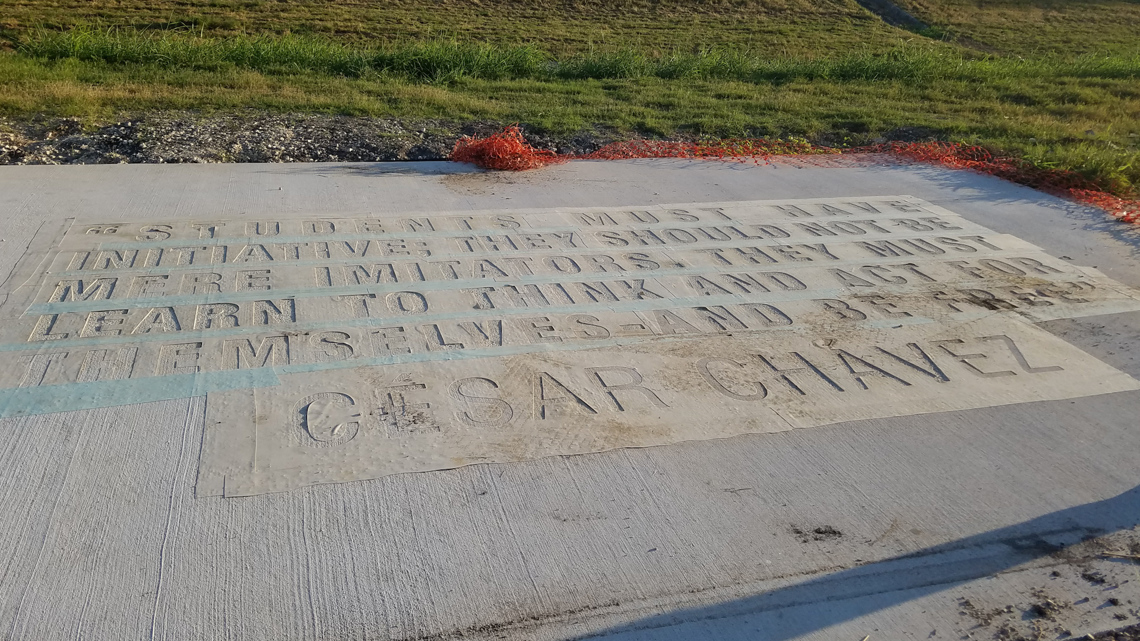
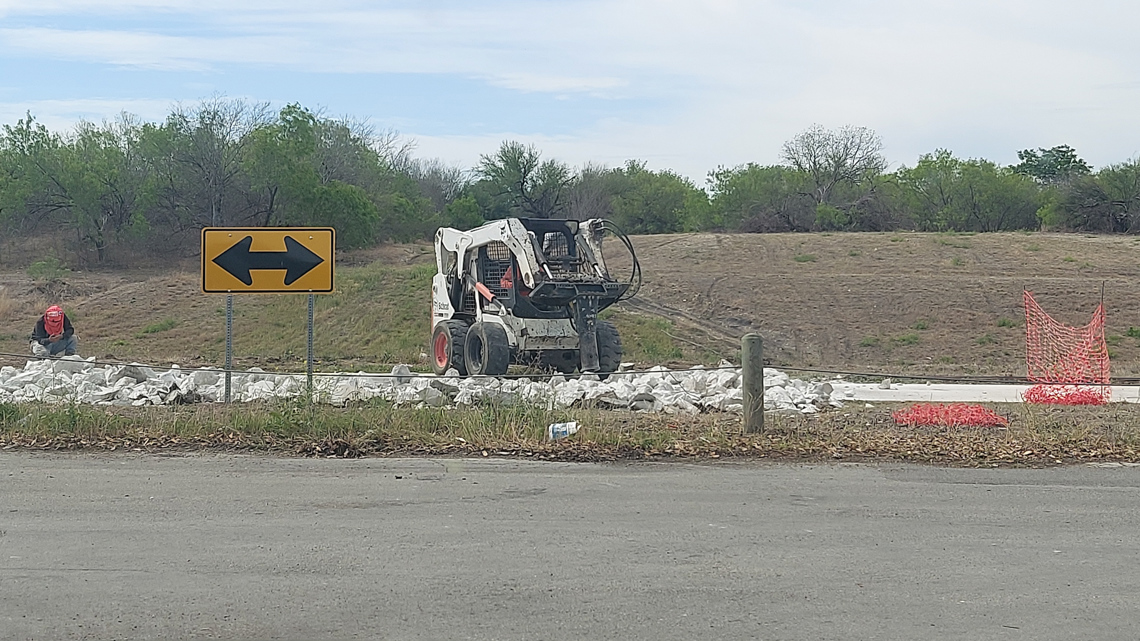
The discussion also comes just days after a César Chávez quote etched into concrete along Zarzamora Creek — “Students must have initiative… they must learn to think and act for themselves — and be free” — was removed, a visible sign that the conversation surrounding the boulevard — and its name — continues to evolve.