
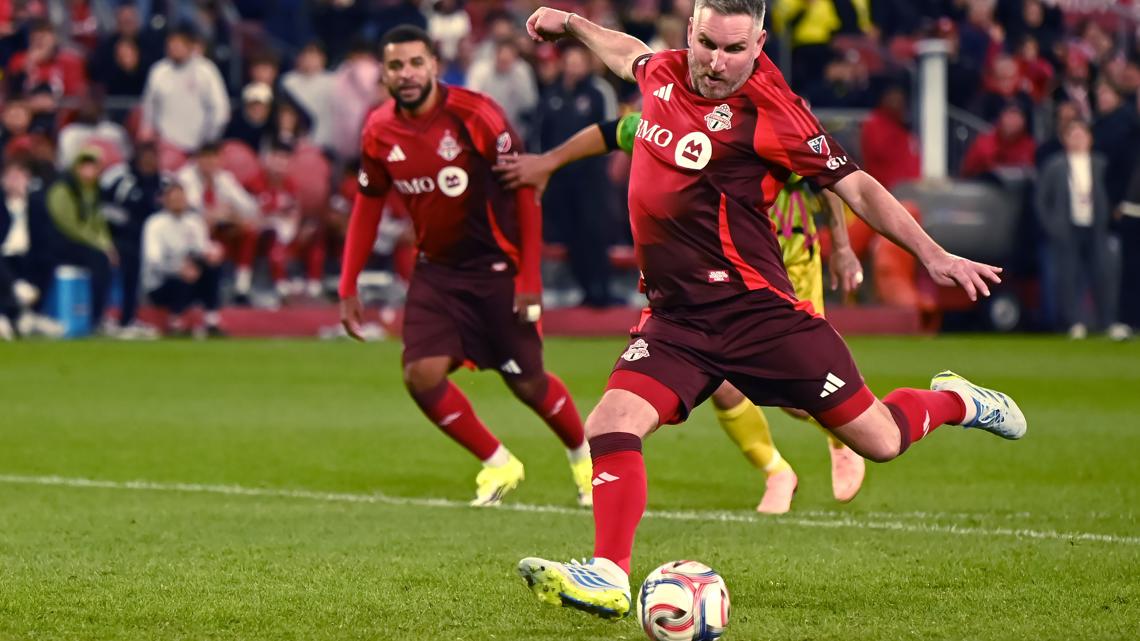
Penalty kicks create suspense and can determine outcomes during matches and tournaments.
Few moments in soccer create more drama than a penalty kick.
The stakes are high. It’s one-on-one — goalkeeper versus the penalty kick shooter.
A penalty kick is awarded when a defending player commits a serious foul inside their own penalty area, commonly called the 18-yard box. Fouls that can result in a penalty include tripping, pushing, holding or illegally touching the ball inside the penalty area.
When a penalty kick is awarded, the ball is placed on the penalty spot, which is 12 yards away from the goal. The attacking team selects one player to take the kick, while the defending team positions its goalkeeper to make a save. All other players must remain outside the 18-yard box until the kick is taken.
Once the referee blows the whistle, the kicker gets one attempt to score. If the ball goes in, it counts as a goal. If the goalkeeper makes a save or the shot misses the goal entirely, play resumes as normal.
Penalty kicks are also used in penalty shootouts, which are often used to decide matches that remain tied after regulation and extra time.
During World Cup knockout-stage matches, if the score remains tied after 90 minutes of regulation play plus stoppage time, teams will play 30 minutes of extra time, also including stoppage time. If the match is still tied after extra time, the winner is determined by a penalty shootout.
In a shootout, each team selects five players to take alternating penalty kicks. The team that scores the most goals after those five rounds is declared the winner.
Shootouts can end early if one team builds an insurmountable lead. For example, if one team scores its first three attempts while the other misses its first three, the shootout can conclude before all five shots are taken.
If the teams remain tied after five rounds of kicks, the shootout moves into sudden-death rounds. During sudden death, each team continues taking one penalty at a time until one team scores and the other fails to convert on the same round, determining the winner.
Penalty kicks and shootouts remain some of soccer’s most dramatic moments, often deciding championships, tournament advancement and memorable matches that live on in soccer history.
SOCCER 101:
Brush up on your knowledge ahead of the World Cup with these explainers: