
Nicole Camacho is now cancer-free. She is currently 13 weeks pregnant and expecting her fifth child.
SAN ANTONIO — When Nicole Camacho was diagnosed with stage 3 colorectal cancer at 35, her first thoughts were of her children.
“My life like flashed right before me,” she said. “All I could see was my husband and my three kids. My daughter was only eight months when I was diagnosed. The first thing I thought was my kids. What do I need to do, in order to get better for my kids.”
According to new data from the American Cancer Society, colorectal cancer is the leading causes of cancer-related deaths among adults under 50. And is rising at an alarming rate, with many younger patients diagnosed at more advanced stages.
Methodist Hospital Colon and Rectal Surgeon Dr. Jaime Mayoral said he is seeing more young patients.
“I think the youngest patient I have seen is 25,” he said. “And unfortunately, they are more advanced than other patients because we are not supposed to screen patients under the age of 45. And a lot of times, their symptoms are not taken seriously.”
Those symptoms can include abdominal pain, bloating, constipation and rectal bleeding.
For Camacho, those warning signs began with persistent pain in 2023.
“I had lower abdominal pain on my left side,” she said. “It was very side sharp pain, like sometimes I would be asleep in the middle of the night and it would like send like a whole shock throughout my body.”
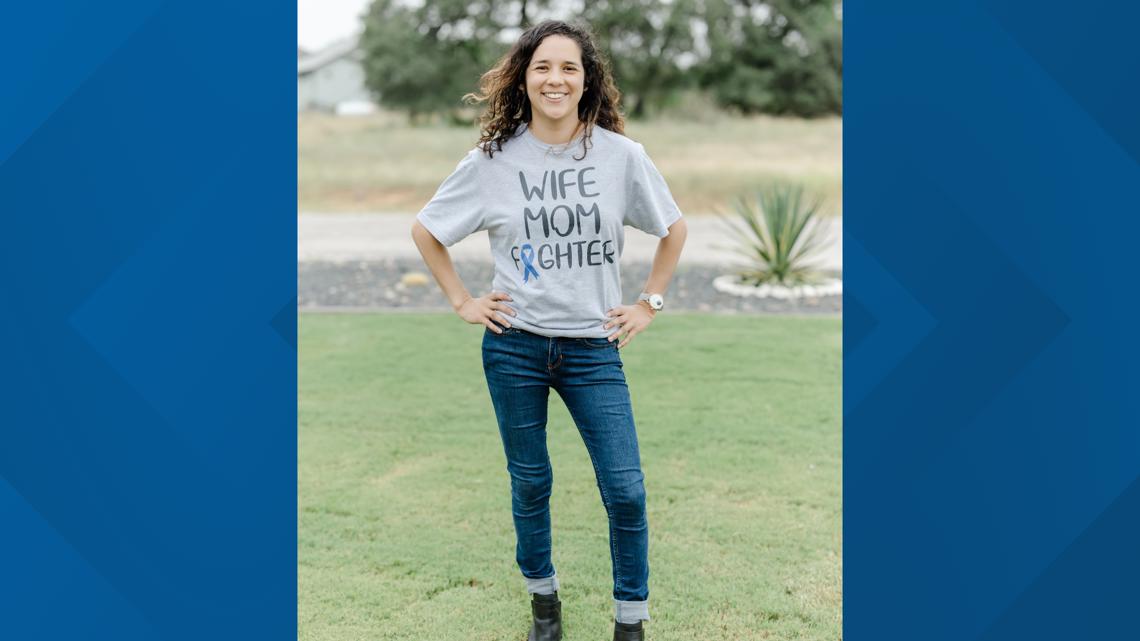
Camacho said she also lost a lot of weight. However, finally after several doctor’s visits she was given a CT scan, and that’s when she learned she had cancer. She underwent surgery to remove the tumor, along with 11 inches of her colon, followed by six months of chemotherapy.
“I didn’t have any time to be scared,” the mom said. “I didn’t have any time to say what if or why me, or why is this happening to me. It was just like no, what do I need to do and let’s do it now. Because I need to get better.”
The American Cancer Society estimates more than 158,000 new cases of colorectal cancer will be diagnosed in the United States this year. Researchers are still working to understand why rates are increasing among younger adults.
Mayoral believes lifestyle factors may play a role.
“My take is processed food,” he said. “Younger patients are eating more processed food than we used to, along with fast food, and I don’t think they are exercising as much.”
Camacho is now cancer-free. She is currently 13 weeks pregnant and expecting her fifth child.
“I just want people to know that even in something scary like cancer, you don’t have to lose hope,” she said.
Doctors urge people to pay close attention to symptoms and family history, and to seek medical care if something feels wrong. Screening guidelines currently recommend beginning colonoscopies at age 45.
For more information from the American Cancer Society, click here.