
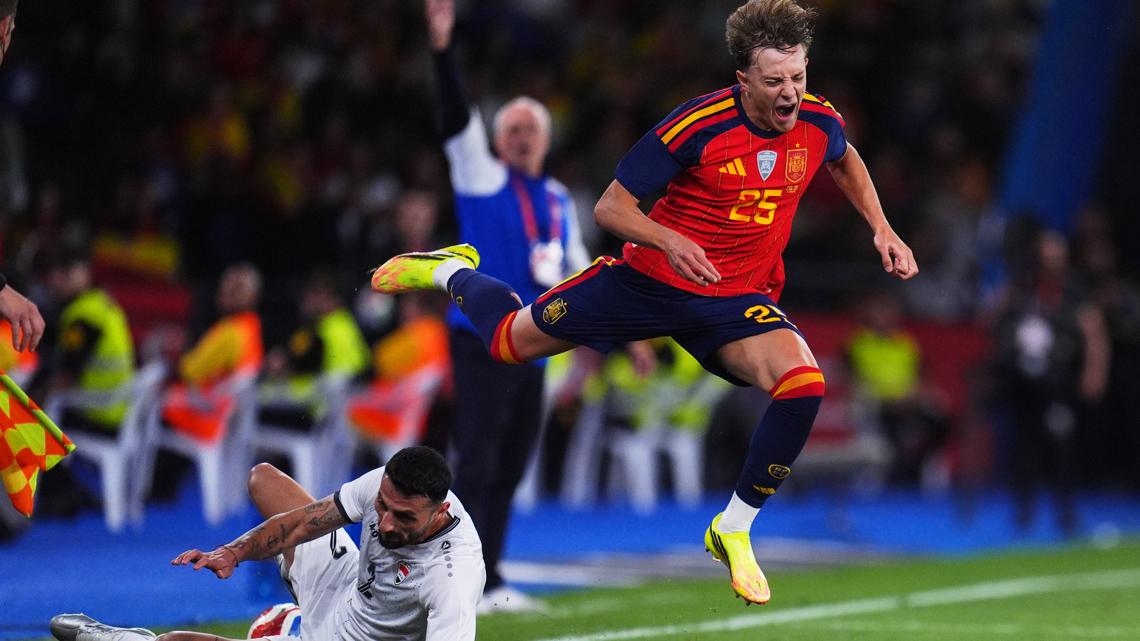
National teams use friendlies to prepare for major tournaments such as the upcoming FIFA World Cup.
WASHINGTON — As the World Cup approaches, soccer teams are playing international “friendly” matches before the tournament officially begins.
Here’s what to know.
What are friendlies? Do they count?
“Friendlies,” also called exhibition matches, are games that do not count toward league standings, tournament advancement, or qualification for major competitions.
FIFA, soccer’s global governing body, includes friendly matches within its official international match calendar, which establishes designated windows when national teams can play outside of competitive tournaments and qualifiers.
They are especially common during international breaks, preseason tours, and tournament preparation periods. While the term may suggest a casual contest, friendly matches serve several important purposes for teams and governing bodies.
Why do teams play friendlies?
For professional clubs, friendly matches are often held before the start of a new season. Coaches use them to assess new signings, give younger players valuable playing time, and test different formations and strategies before competitive matches begin. Because the outcome does not impact standings, managers have more freedom to experiment with their lineups.
National teams also use friendlies to prepare for major tournaments such as the upcoming FIFA World Cup. Since national teams gather less frequently than club teams, friendly matches provide opportunities for players to build chemistry and for coaches to evaluate personnel.
Are the rules different?
Most friendly matches follow the same basic Laws of the Game as competitive contests. However, organizers often allow additional substitutions so coaches can evaluate more players and manage workloads.
Some friendlies may also have modified procedures regarding extra time or penalty shootouts, depending on the goals of the event.
Why are they called friendlies?
The term “friendly” refers to the fact that there is no competitive prize, league standing, or tournament advancement at stake. However, players and teams often still compete intensely.
The label describes the match’s status rather than the level of effort on the field, according to Soccer Handbook.