
Leaders are preparing for tough conversations in light of a major projected budget deficit that could balloon to more than a quarter of a billion dollars by 2031.
SAN ANTONIO — San Antonio leaders were confronted with difficult realities about the city’s financial outlook and began discussing the difficult decisions that might have to be made to minimize the blow.
City staff told council members Wednesday that the Alamo City is expected to face a $130.7 million General Fund budget deficit by 2028; that shortfall could balloon to $264 million by 2031 if steps aren’t taken.
“The city budget, it looks bleak for the coming years,” said District 7 Councilwoman Marina Alderete Gavito.
The primary ingredients in that five-year budget outlook, according to representatives from the city’s office of management and budget: an expectation that city expenses will far outpace financial resources, including property tax and sales tax revenues, in the next few years if officials stayed the course.
To that end, staff provided City Council with two “scenarios” that they say would close the shortfall.
The first involves tapping into a reserve fund and finding more than $65 million in city department cuts over each of the next two years. The second scenario lowers both of those amounts, balancing them out with a property tax hike that staff say could generate $66.7 million in the next two years.
But the city hasn’t raised property taxes since 1993, according to City Manager Erik Walsh. It’s currently at 54 cents per $100 of taxable value.
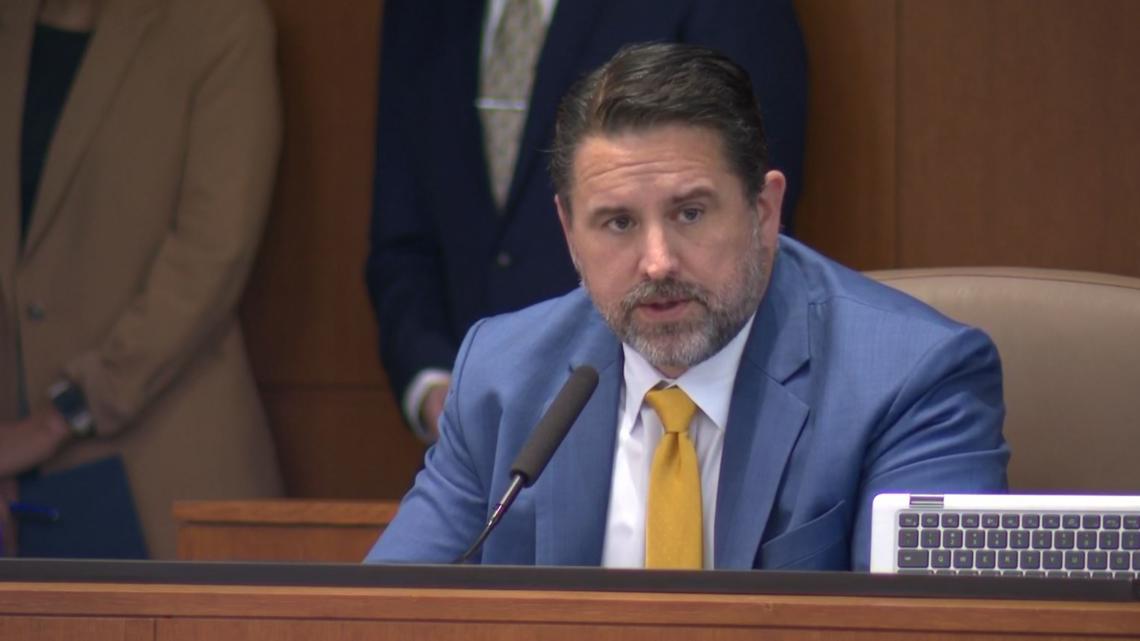
And after City Council rejected raising property taxes last year, enthusiasm for the option wasn’t higher on Wednesday.
“Property tax hikes should be absolutely off the table,” said District 10 Councilman Marc Whyte. “What should be on the table is line-by-line examination of how this city spends its $1.8 billion… whether every program, every position, every contract has earned its place in this budget.”
The General Fund is the biggest piece of the city budget pie, coming in at $1.69 billion for this year. Its the funding source for pivotal city services like the police and fire departments, parks, Code Enforcement and Public Works.
Acknowledging that making the call on any cuts would be “painful,” some City Council members emphasized that those “core services” should continue to be funded, arguing that that San Antonio has a “spending problem” rather than a revenue problem.
But that also sparked debate as leaders challenged each other over what programs and departments should see reductions instead, pointing out that potential raises in public safety spending would likely represent a new annual benchmark going forward.
“I hate to hear MAGA talking points about the city having a spending problem without talking about which departments we are overspending on,” District 2 Councilman Jalen McKee-Rodriguez said.
Teri Castillo, the City Council representative for District 5, said she was worried about a possible trickle-down effect of forcing departments to cut workers.
“I don’t want that to unintentionally impact the workload of a city employee where they’re taking on additional roles and responsibilities, and then we have burnout (and an) impact to services,” she said.
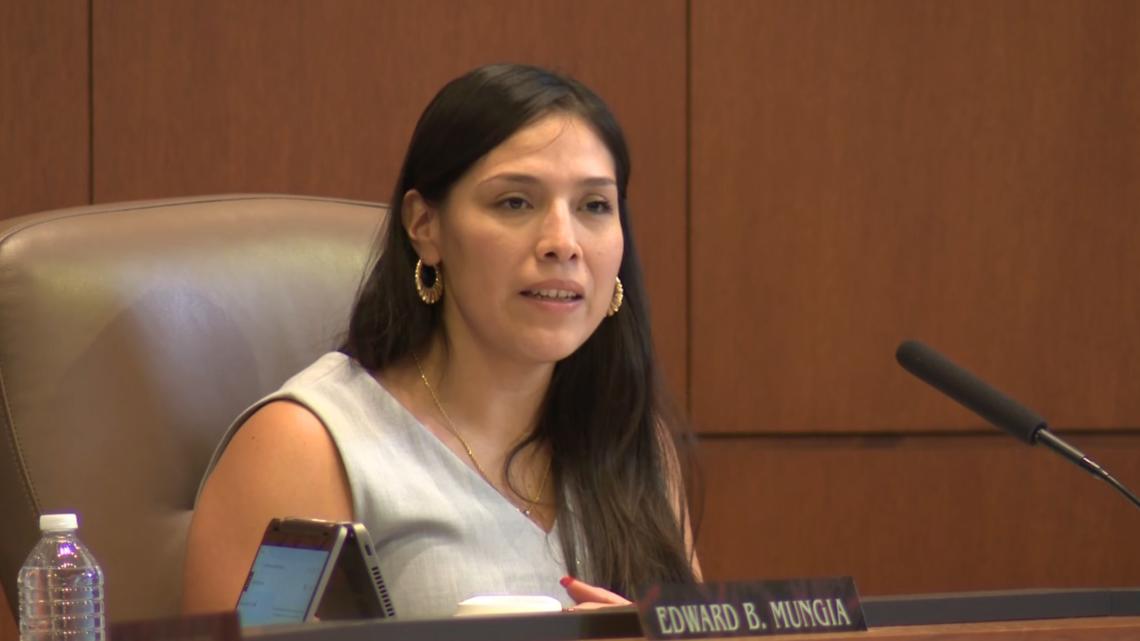
Sukh Kaur, who represents District 1, suggested she wouldn’t be opposed to a tax hike, saying she didn’t know how the city would cut $65.3 million (referring to potential FY 2027 department reductions) based on Wednesday’s council conversation.
“Cutting is easier said than done, and it’s definitely easier said for us,” Kaur said.
Further impacting the long-term financial forecast is a development staff said they haven’t seen since 2011: an expectation that 2027 will bring a lower overall amount in taxable property value in San Antonio, thus impacting how much revenue it collects. City staff say they plan to further research the reasons behind the decline.
“The housing market isn’t any better or worse than this time last year; we’re still continuing to grow as a city,” Walsh said. “But to see taxable values, base values decline by that much of a clip, we need to better understand that and then likewise share that information with you all.”
The city expects to bring in 1.7% less in property tax revenue for Fiscal Year 2027 compared to 2026, amounting to a roughly $8.2 million loss. At the same time, staff are projecting a General Fund spending increase of $107 million for 2027.
As for what’s next, City Council is expected to discuss budget goals and the results of a community survey on May 22; in mid-June, staff will present a trial 2027 budget before sharing a proposed framework in August.
As of now, City Council will vote on next year’s budget on Sept. 17. The fiscal year begins Oct. 1.
In the meantime, multiple council members mentioned the need to think out of the box in order to address the deficit while keeping cuts at a minimum, especially when it comes to keeping programs in place that help underserved communities.
“It’s, of course, gonna be tough,” District 6 Councilman Ric Galvan said Wednesday. “Eager to see what kind of innovation we can do to continue our service levels without raising our taxes or making major cuts.”