
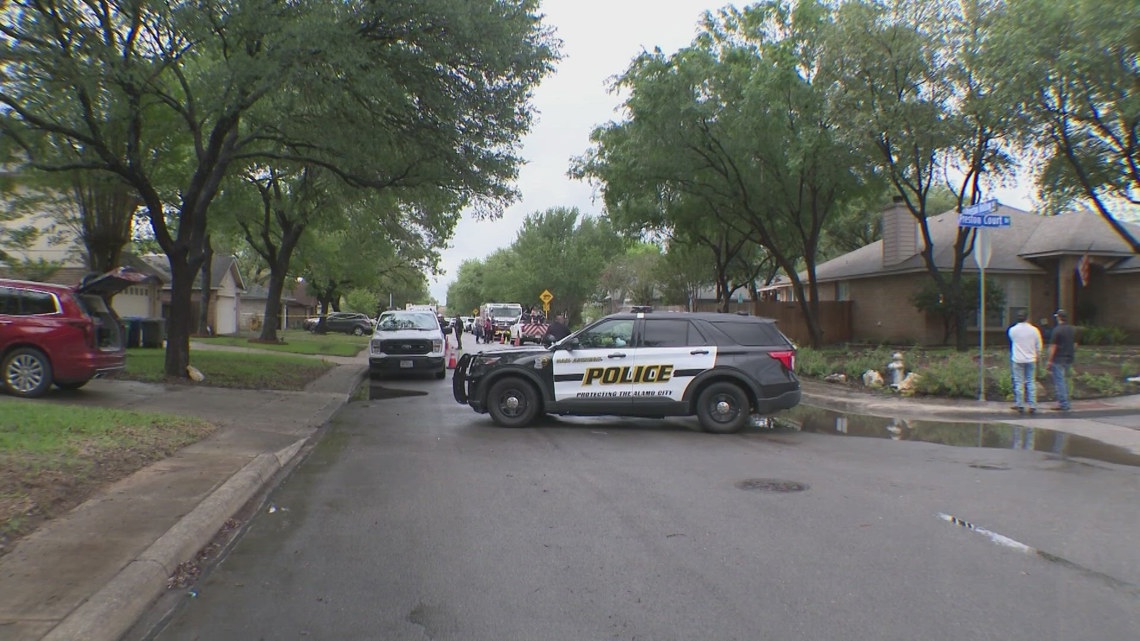
After two explosive incidents in San Antonio, attorney Michael Lyons stresses the urgent need for safety measures and impartial investigations led by the NTSB to prevent future disasters tied to aging utility infrastructures.
SAN ANTONIO — Dallas-based attorney Michael Lyons won a $109 million jury verdict against CPS Energy for a previous gas explosion here in San Antonio. That happened in 2025, but this week he offered his thoughts about what people can do to make sure they are as safe as possible in their homes.
Lyons, who became aware of the two explosions that rocked homes on Preston Hollow Drive on Tuesday night shortly after the blasts, said the immediate concern for everyone should always be the impact on people.
Five people were rushed to hospitals after an explosion tore one house apart about 6 p.m. and then a second blast two doors down demolished another home about 8:20 p.m.
“The first immediate concern I have is for the victims,” Lyons said. “These are really serious injury cases. People that are exposed to a diffuse vapor explosion like this, which invariably is what happens in natural gas explosions, often have catastrophic life-altering injuries.” Knowing the long recovery road ahead, Lyons added “Hopefully all of these people survive, so we think about and pray for these families.”
After people, Lyons said, attention can shift to property damage concerns.
“They bulldoze these houses after they blow up in San Antonio, and so evidence gets lost,” he said. “It gets destroyed, and at the end of the day, whether it is a problem on the meter side, versus a problem on the homeowner’s side, I don’t know what the evidence is right now.”
For the safety of all the residents in the area, Lyons said: “We need to get to the bottom of what the cause is, and that should be the primary concern for public safety to make sure that these victims are taken care of.”
When he learned that representatives from the federal National Transportation Safety Board would be leading the investigation, Lyons said he thinks it is a much-needed safety idea.
“One of the things that I have always been concerned about is making sure that people who have a vested interest in the outcome of the investigation are not the people who are in charge of it for obvious reason. There are conflicts of interest that exist in those scenarios.”
Lyons has fought many courtroom battles related to this topic.
“What I hope is that federal regulatory authorities like the NTSB are the people who are in charge of identifying, preserving and documenting evidence,” he said. “Making sure that it is safeguarded, making sure that the proper measurements, the proper calibrated instrumentation is used to make sure that they take readings that will tell us what happened.”
With statewide experience, Lyons said safety issues are not just a San Antonio problem.
“I have experienced situations where the gas companies are less than forthright about how this information is recorded, stored, and documented and so I hope that that’s what happens with NTSB, they can take jurisdiction over the investigation, and I hope they do that here.”
After an explosion in the Dallas area, Lyons said “What we advised them (residents) was go to the hardware store or get on the internet right now and go to Amazon and order a combustible gas indicator and keep it in your home.”
Lyons said the devices, which seem to range from about $90 to more than $200, offer peace of mind to many and might be a worthy home improvement.
“The threshold for the lower explosive limit of natural gas mixed with oxygen is 5% up to 15%. So 5 to 15% is the explosive range for natural gas and you should get out of your house,” Lyons said.
Lyons said many common household items can set off gas accumulations.
“It could be a compressor on an air conditioner. It could be a motor on a refrigerator when you open the door. It could be a light switch, right? All of these things can potentially cause an ignition source that could ignite a fuel load like an explosive,” Lyons said, adding that depending on atmospheric conditions, gas can travel in unexpected ways.
Lyons said dangerous conditions happen all across the state, “The gas can remain under the ground, and it can sit and wait and find the path of least resistance.”
“The real big concern that I have is that we have an aging, leaking utility infrastructure for gas in the state, and Texas is not unique, but Texas does have a climate that makes it susceptible,” Lyons said.
Lyons said since the 1960s and 1970s, there have been documented failures of pipes and systems.
He said the number of failures is documented on the Texas Railroad Commission website.
“You can see the number of what they call “butt fusion welds” in those areas that have led to leaks and so this is no surprise that there are people’s homes that are filling with gas and exploding. This is a real problem, and it doesn’t just exist in San Antonio,” Lyons said.
Because there are predators who prey on unsuspecting people who may be too rattled to think clearly, Lyons said “Before you sign anything, if you have a question, you should consult a lawyer to make sure you’re not waiving your rights in some form or fashion.”
Lyons continued “For people who have been catastrophically injured or maybe a loved one who’s been catastrophically injured, my hope and prayer for those people is that they get somebody to help them, and it’s really important that they protect their rights because no one else is going to do it for them.”
For example, Lyons said “I’ve never seen anything like what happens in San Antonio, which is a house explodes and that house is leveled, sometimes within 48 hours,” Lyons said.
Lyons said he knows of cases where heavy equipment has shown up while they were waiting for action on a court to issue a temporary restraining order (TRO).
“We’ve had other cases where we got a TRO and the trailer with the tractors are sitting in front of the house ready to level it when we serve the order,” Lyons said.
While the investigation continues, CPS Energy said anyone who ever believes they are smelling a gas leak should leave the house immediately and call for help. The number is 210-353-HELP or 911.
They also have safety-related web resources.